Perhaps the most important feature of Alice Springs lies in its geographical location and climate which create an arid but amazing biodiversity. Ecosystems of this region are affected by aridity, seasonal variations, and geologic history with ancient rocks. Even with limited rainfall as well as vast temperature differences, there is a diverse variety of life found here.
The Unique Ecosystem of Alice Springs
The area surrounding Alice Springs is characterized by high mountain nationalism, vast desert plains, and beautiful titled rock structures found in the Macdonnel Ranges and Uluru-Kata Tjuta National Park. These ancient formations are not only a wonder to the eyes but also act as habitat and food for the surrounding fauna. Less thick leafy plants, mainly spinifex and acacia shrub and others succulents are crucial for the permeating fauna in the area.
The desert environment is attractive and yet, hostile. The hot weather may last for over 40 degrees Celsius for agendas in summer or the cold weather perfect weather may drop below 0 degrees Celsius in winter weather conditions allows for changes in the basin It includes-themed species. A lot of the animals found in the area are active during the night when it is cool and food, as well as water, is available.
Iconic Mammals of Alice Springs
Alice Springs is home to a number of terrific mammals and each of these has developed certain features in order to cope with the dry climate. These species are important as far as the health of biodiversity is concerned as well as the well as traditional land owners of the land.
The Red Kangaroo – Australia’s Largest Marsupial
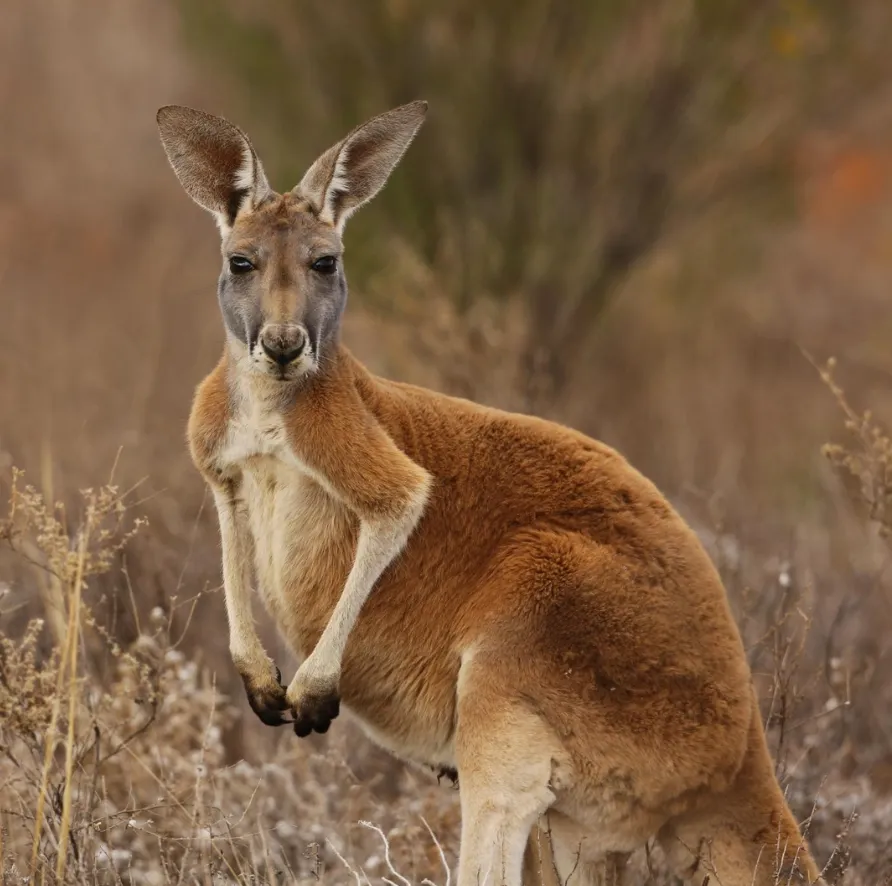
The Red Kangaroo is undeniably one of the most remarkable animals in Australia, perhaps representing the best image of Australia’s fauna. Their distribution is across the central Australian deserts where these marsupials are indeed desert animals. Reaching a length of over two meters and a weight of 90 kilograms, the animals are well suited to the hot desert environment. Usually, Red kangaroos are mostly active when the temperatures are low, during the comparatively cool parts of the day and at times, they can be found foraging in grasses and shrubs, within Alice Springs Desert Park.
The Perentie: Australia’s Largest Monitor Lizard
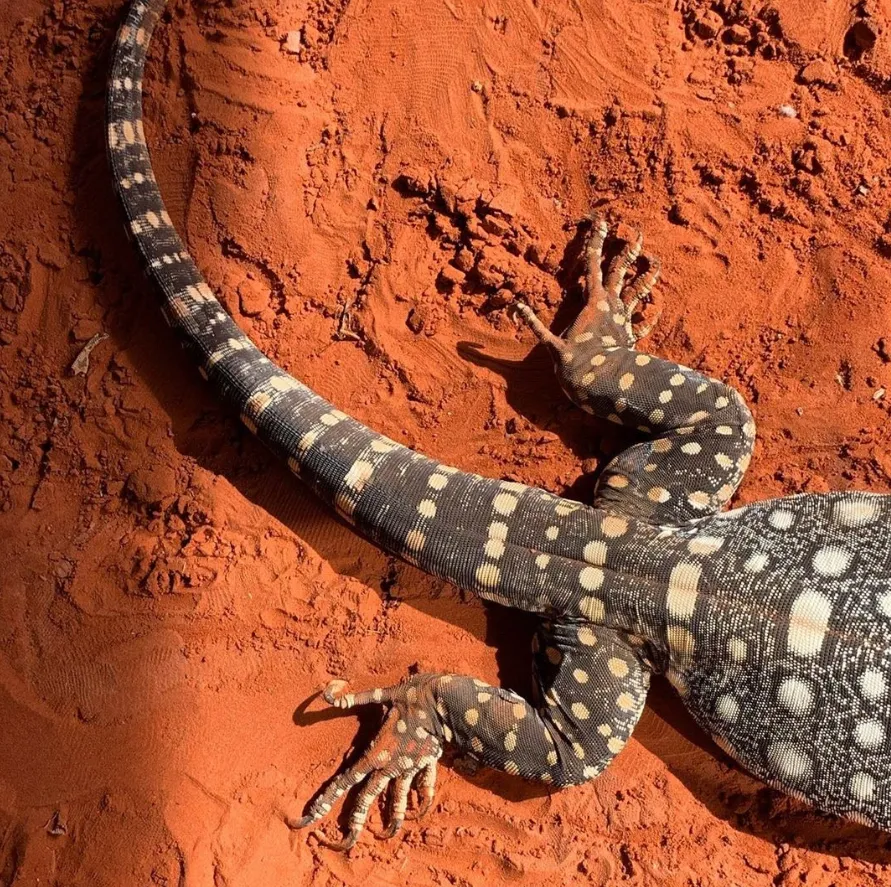
The Biggest Monitor Lizard in Australia The Perentie, which is the largest Monitor Lizard in Australia, is yet another remarkable creature that inhabits the deserts surrounding Alice Springs. They are quite large sstrong reptilian species that can grow about more than 2.5m in length including the tail in such a grizzly climate. Perentie is the apex predator of their enclave, devouring rodents, birds and many other reptiles. They are also antagonistic hosting broad body distribution and often sunbathes in the rocks of the MacDonnell Ranges. Most of these desert reptiles, especially of the Perentie genus, do not require much moisture and live off the water present in their food.
The Black-footed Rock Wallaby
Endemic to the Western MacDonnell Ranges is considered one of the most difficult and rare mammals in that area. The small marsupials live in the rocky outcrops in the ranges efficiently. They have strong coastline build limbs and tails that help them easily climb up steep rock surfaces and cliffs. Sadly, these animals are endangered because of socioeconomic activities such as deforestation and introduction of foreign predatory species. But, there is a concerted effort to make sure that this species is not lost with some of the efforts including focussing on Jessie Gaps Nature and Alice Springs Desert Park where they can be seen by the public but in their natural environment so only the wary ones are exposed.
Fascinating Bird Species
Bird enthusiasts who tour Alice Springs should be excited since the development region has a good avian diversity range. Interestingly a number of these birds are desert adapted.
The Majestic Wedge-tailed Eagle
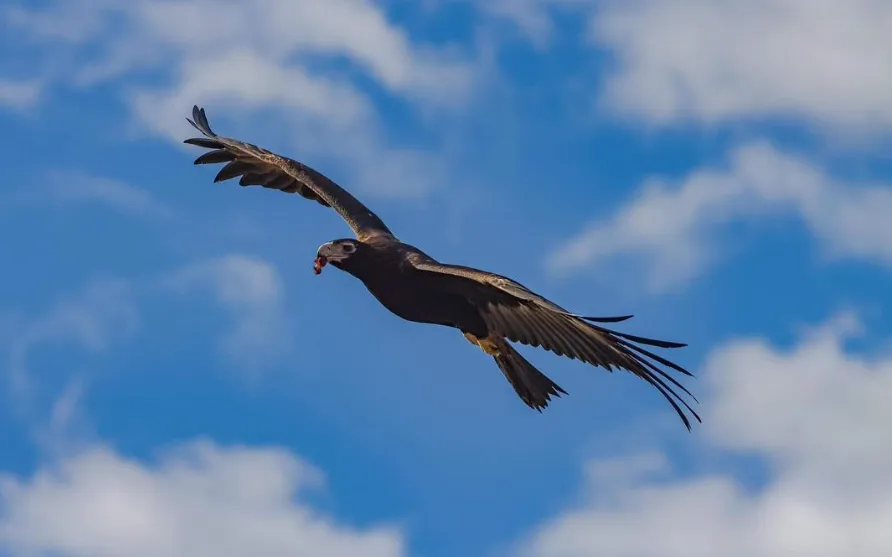
The Wedge-tailed Eagle, which is the most powerful raptor in Australia, is regularly observed flying over Central Ranges. Wedge-tailed eagles more than 2.5 meters in wingspan dominate the skies, and some can even take kangaroos. They can regularly be seen capitalizing on thermals over the MacDonnell Ranges or elsewhere on the tree top looking for any prey in the dry desert. To control certain types of rodents such as rabbits and hares which could cause over breeding and threatening the deserts healthy balance.
The Colorful Zebra Finch
An example of an eye-catching and doubtless beloved bird of Alice, the Zebra Finch stands out amongst them all. It is quite easy to spot these diminutive bright little s a few large perches over waterholes and quite a few shrubs in Central Australia. Characterized by their black and white striped tail and orange beak, zebra finches are sociable birds.
Reptiles and Amphibians
However, the inhabitants of the Reptilia and Amphibia classes in and around Alice Springs have certainly demonstrated how life can adjust to even the most arid of conditions. These animals that are commonly found in the arid regions are very important in the ecosystem by preying on the insects and also providing food for bigger animals.
The Thorny Devil: A Master of Camouflage
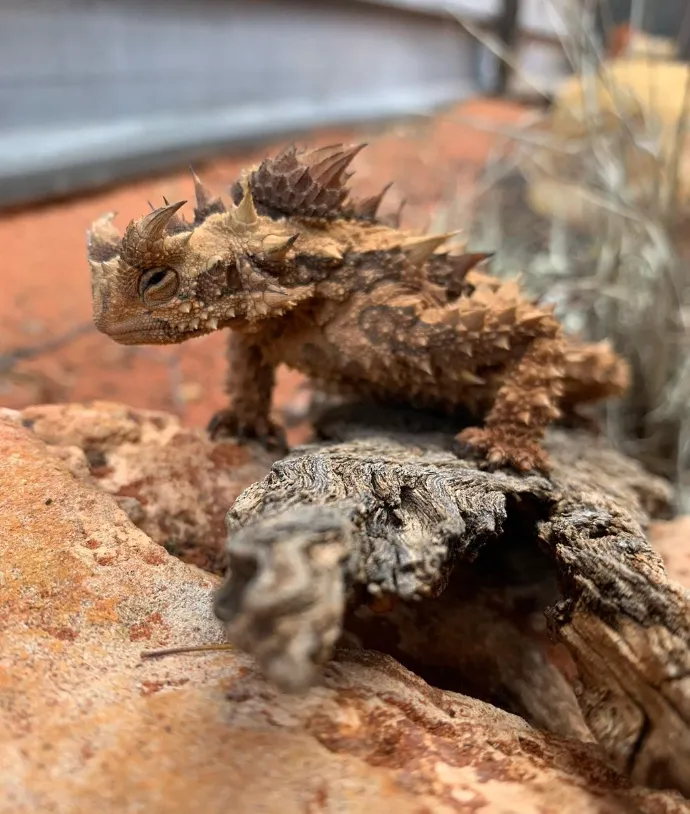
The Thorny devil is regarded as the hottest on many Australian millepedes articles because of its curious form and astonishing inclusive capacities. Mounted with thorny protruding structures, the thorny devil thrives in the deserts because it is able to hide amongst the sandy terrain to avoid enemies. This small lizard, which does not move fast, has a very special skill to intake water from the dew or rainfall by using the pattern present on its skin to channel the water to the mouth of the lizard. Ants are the main source of food for the Thorny Devil which is able to consume hundreds of thousands of them in a single day. It can be spotted typically in the arid places like Alice Springs and the Kata Tjuta National Park because most people visiting this area are attracted by the stunning view and outrageous behavior of the lizard.
Alice Springs Efforts in Wildlife Conservation
Because of how pristine and fragile the biological diversity of the area is, conservation action plans in Alice Springs should be taken seriously as they help to safeguard the area’s biological wealth.
Community Engagement and Activities Undertaken
All residents of Alice Springs are involved in the conservation of animals. Indigenous peoples such as the Ngurrara Ranger Team as well as the Birriliburu Rangers engage the local aboriginal people in the plans aimed at conserving and sustainable grazing of natural vegetation. The caring of animals is also aided by traditional ecological practices that have been retained among the indigenous people of Alice Springs. Such events contribute to encouraging people to protect such arid surroundings and the living organisms that exist within them.
Tips for Wildlife Viewing
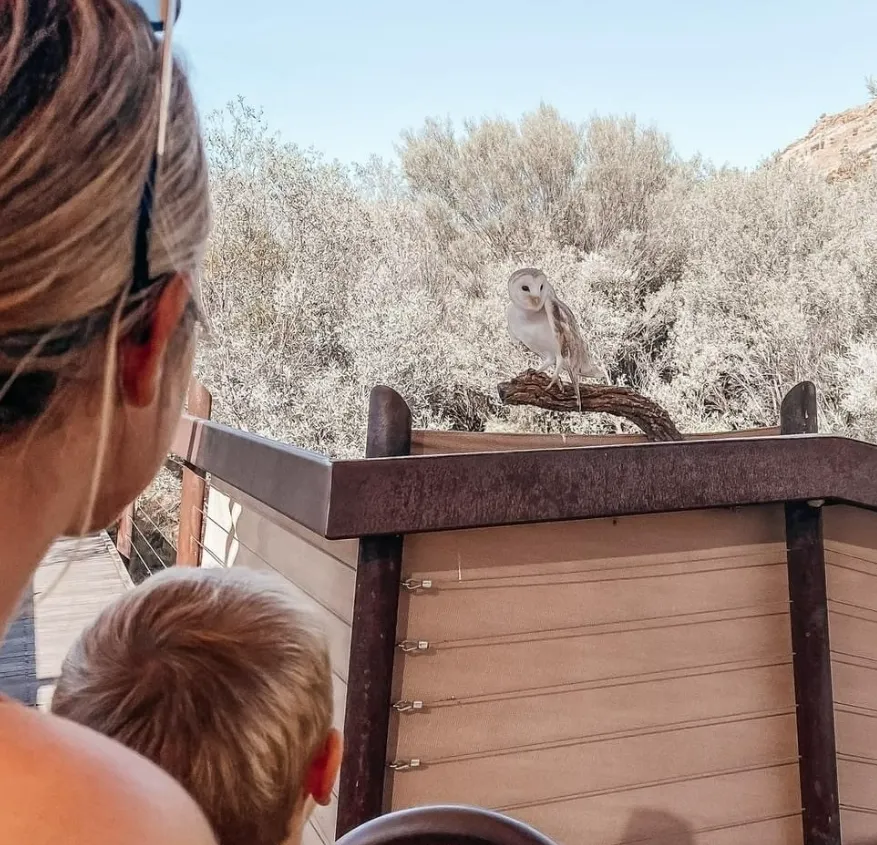
Stick to Designated Paths: To minimize human impact on the environment, always stick to established trails and paths when exploring while Alice Springs Uluru Tours, Tjuta National Park or the MacDonnell Ranges. These routes are designed to protect both the ecosystem and visitors, and wandering off-track can harm fragile habitats.
Leave No Trace: Take care to remove all litter and waste during your wildlife adventure. Avoid feeding the animals, as this can disrupt their natural diet and encourage dependency on humans, leading to potential harm for both the animals and the ecosystem.
Use Binoculars and Cameras: Instead of trying to get close for a good view, bring along a pair of binoculars or a zoom lens on your camera. This allows you to observe from a safe distance while still getting an up-close view of wildlife such as Whistling Kites or the colorful Zebra Finch.
Be Quiet and Patient: Many of the species in Alice Springs, such as the Perentie or Thorny Devil, are elusive and rely on their environment for camouflage. By remaining quiet and patient, you’re more likely to witness these animals in their natural behavior without disturbing them.
Recommended Wildlife Viewing Spots
There are various places you can go to around Alice Springs and view wildlife doing what they do best in their natural environment:
Alice Springs Desert Park: Hands down one of the best areas to view exotics such as desert birds, kangaroos, and reptiles and other animal species in an informative and controlled environment. There are also bird watching trips where one can appreciate some of the region’s exquisite bird species.
MacDonnell Ranges: Both the East and West sections of the ranges also provide excellent chances of easily viewing some of Australia’s beloved animals, rock wallabies, perenties and birds including the Wedge-tailed Eagle.
Uluru Kata Tjuta National Park: The park is known for breathtaking scenery, as well as a wide array of species, such as reptiles, birds, and mammals. There are also options for arranged Uluru tours that includes wildlife as well as aspects of the culture of the Aborigin people, the Anangu people, and their land.
Trephina Gorge Conservation Reserve: Located some 30km east of Alice Springs in the East MacDonnell Ranges, the area offers good chances of interaction with wildlife most of which consists of reptiles and a few small marsupials. To this end, both Elsie’s Cupboard, Alice Springs Telegraph Station, Jessie Gaps Nature Park, Atmosphere and a number of other places are essential for watching birds and animals.
Conclusion
By visiting Alice Springs, we are assured of seeing species that exist in different parts of Australia, the arid outback and the opulent MacDonnell ranges. Such species as the Red Kangaroo and Black-footed Rock-wallaby give an impression of wonder about the life of such forbidding lands. Visitors can also help in preserving this beautiful yet delicate place that many people would come to love and be able to take pleasure in the beauty of the Alice Springs environment in the years to come through good ethical wildlife viewing and local conservation activities.
FAQs
Which is the most appropriate season for watching wildlife in Alice Springs?
Wildlife is best spotted between the months of April and October because the weather is cooler during this period encouraging more activity from animals.
Are there any guided tours to observe wildlife?
Yes, some wildlife observation trips are offered especially in the Alice Springs Desert Park and the MacDonnell Ranges.
What should I bring for a wildlife spotting adventure?
Bring binoculars, portable tents, comfortable clothing , water, a camera with a good zoom, closed shoes.
Can I take part in conserving the animals in the areas observed?
Funds may be extended to help wildlife parks, individuals may opt to work as volunteers or individuals may support local businesses in the area.
Can I see wildlife close to Alice Springs city center?
Yes, places like Alice Springs Telegraph Station and surrounding gardens do have wildlife such as birds, reptiles and kangaroos.