
Is cosmetic tattooing the same as traditional tattooing? Cosmetic tattooing and traditional tattooing are two separate forms of tattooing that have similarities but also big differences in technique, tools, pigments and tattooing process. While both involve implanting colour into the layers of skin, cosmetic tattoos focus on subtle enhancements to improve natural features, and traditional body art tattoos are for bold permanent designs.
With the rise of semi-permanent cosmetic tattoos including Eyebrow Tattooing, Permanent eyeliner, Lip tattooing, Scalp micropigmentation and medical tattooing many people wonder if these procedures are similar to traditional body tattooing. If you’re considering a cosmetic tattooing procedure, understanding the key differences will help you make an informed decision.
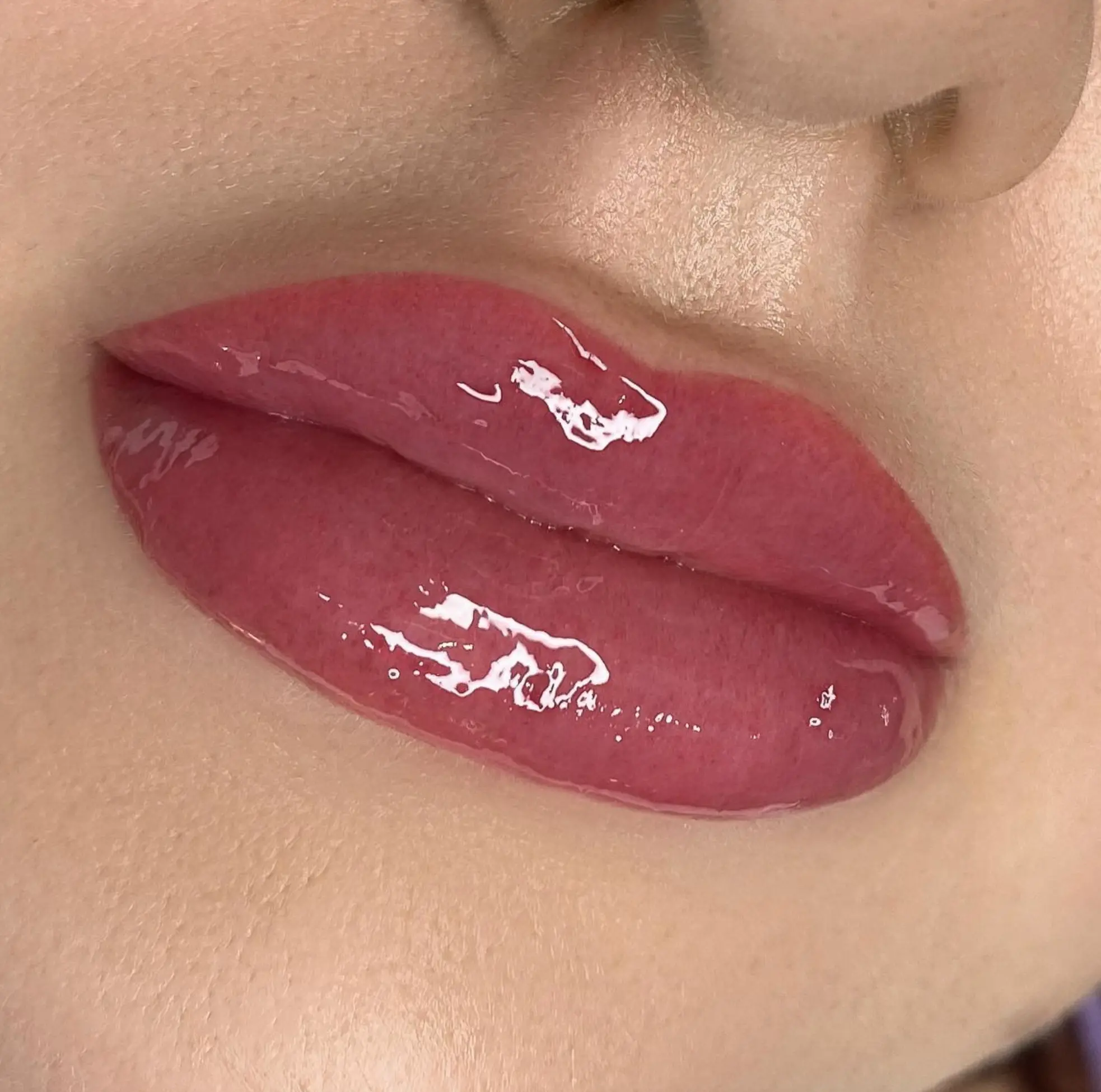
What is Cosmetic Tattooing?
Cosmetic tattooing also known as permanent makeup, semi-permanent makeup or medical tattooing is a popular treatment that enhances facial features using cosmetic tattoo pigments. A cosmetic tattoo artist applies the pigment into the upper layers of skin to mimic natural hair strokes, lip colour or eyeliner.
Unlike regular tattoos, semi-permanent pigments fade over time so it’s a popular form of enhancement for those who want to maintain a natural look without the commitment of traditional body tattooing. In cities like Brisbane cosmetic tattooing has become very popular as it enhances natural beauty and offers a semi-permanent option for busy people.
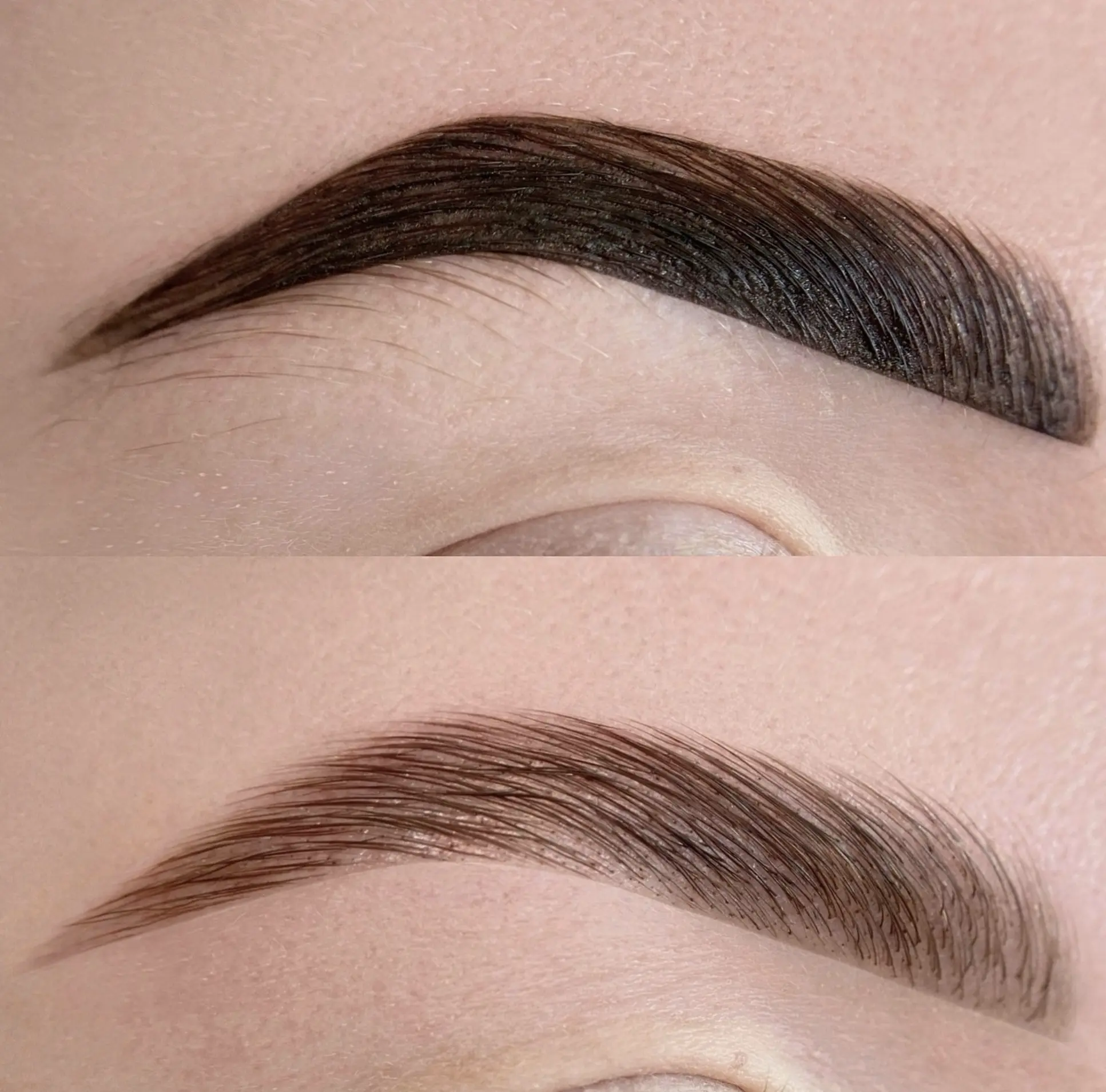
Types
- Eyebrow Tattooing: Eyebrow microblading, Standard eyebrow tattooing, Traditional eyebrow tattooing, Regular eyebrow tattoos, Brow tattoo
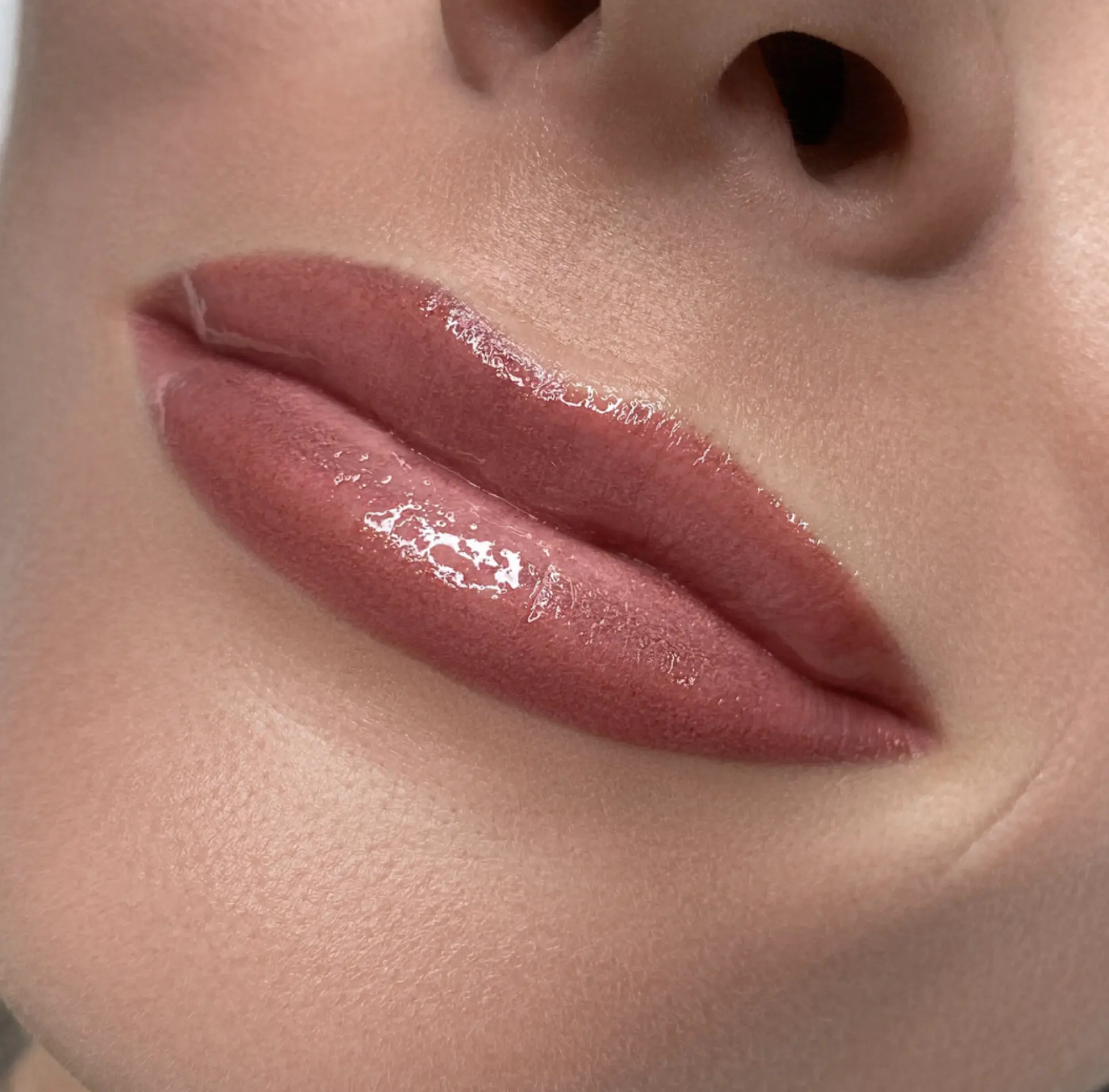
- Lip Tattooing: Natural-looking lip color and shape enhancement
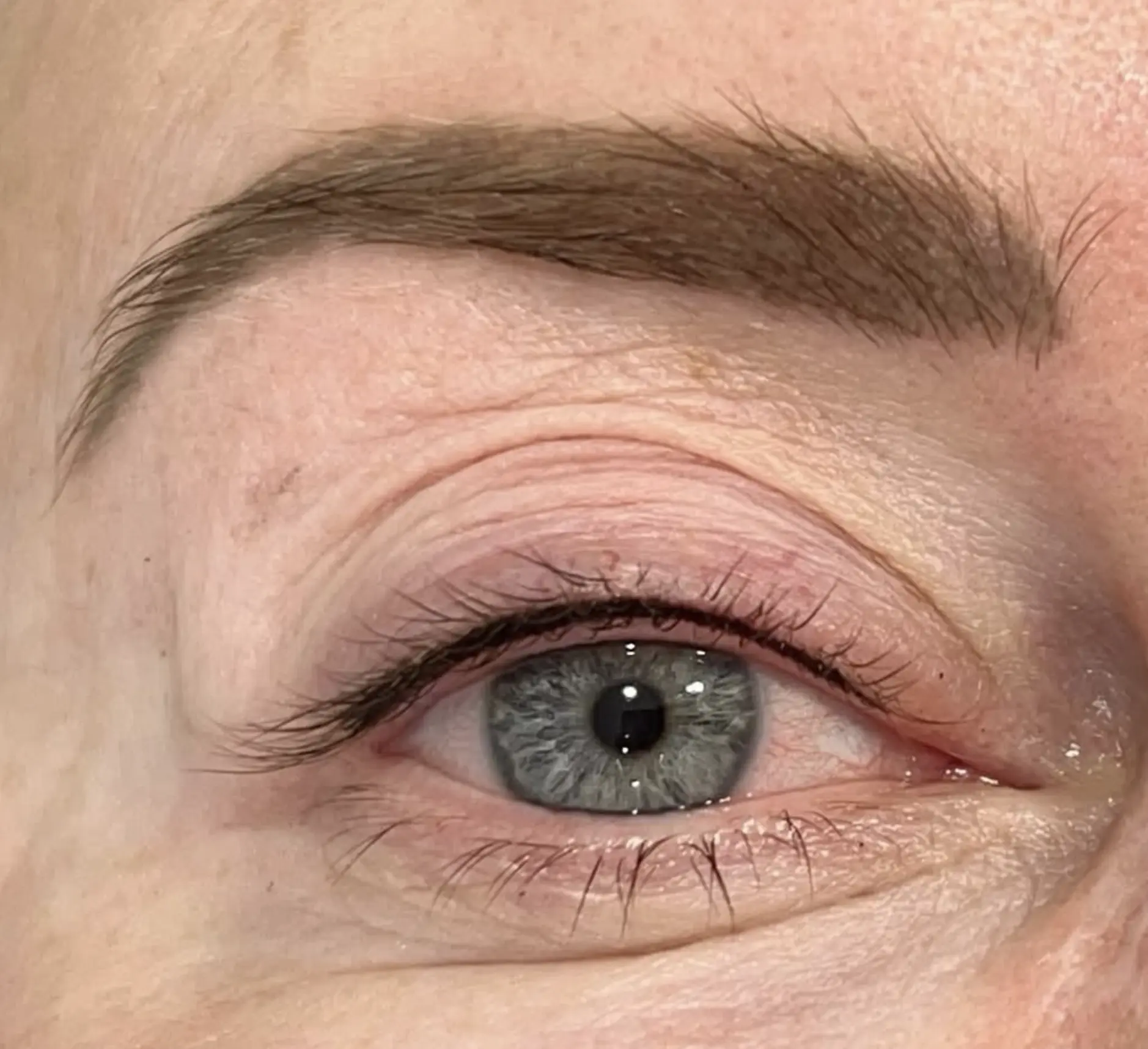
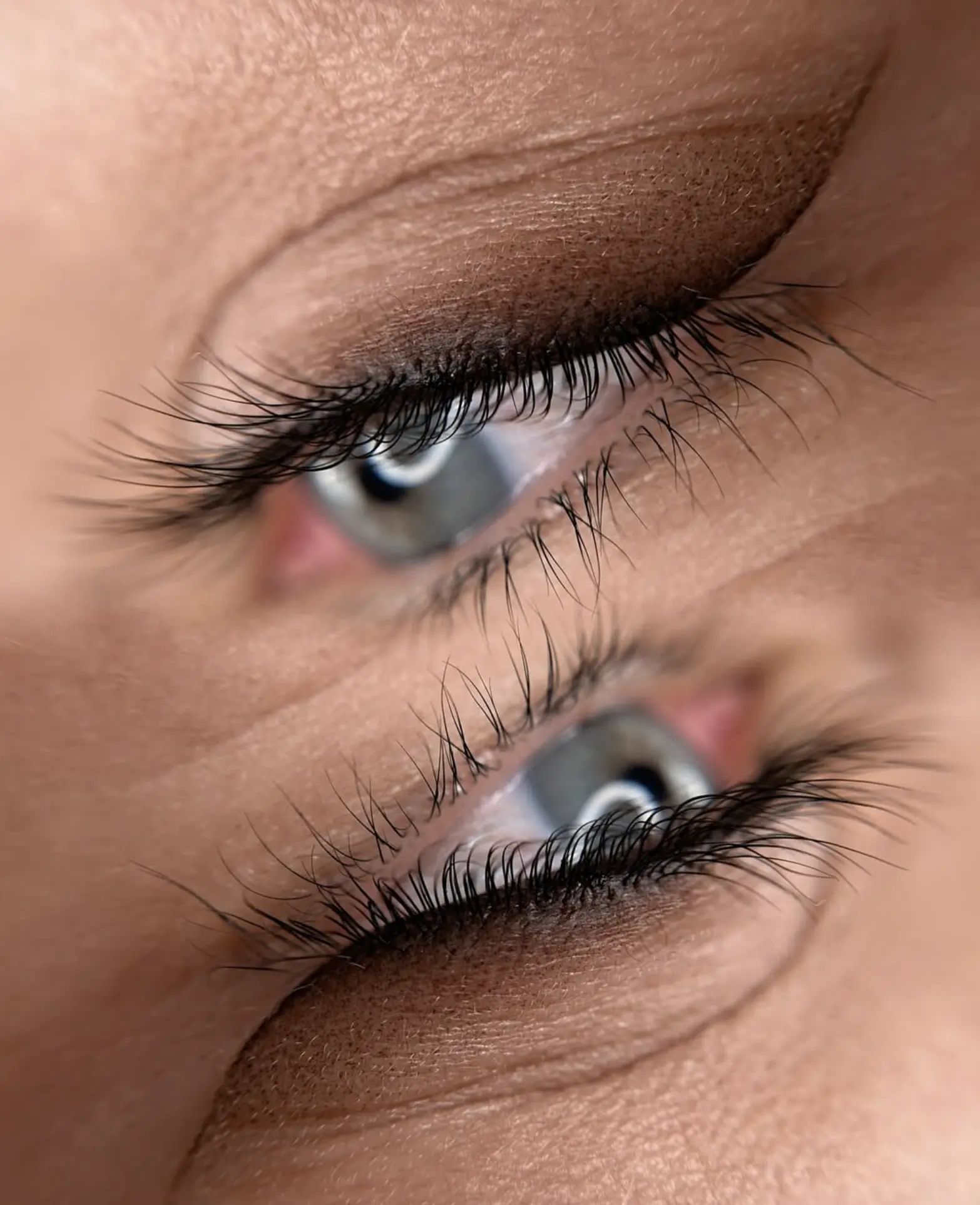
- Eyeliner Tattoos: Permanent eyeliner, Cosmetic eyeliner tattooing, Eyelash enhancement, Conventional makeup eyeliner
- Scalp Micropigmentation: Hair follicle simulation for hair loss
- Medical Tattooing: Scar camouflage, areola restoration, medical tattoo treatments
Cosmetic Tattoo vs. Traditional Tattoo
The tools used in cosmetic tattooing are different from the ones used in body tattooing:
- Cosmetic tattoo machines are lighter, more precise and use smaller needles for a more realistic finish
- Traditional tattooing uses a tattoo gun with tattoo needles designed for bold designs using deep colors
If you want to enhance your skills in tattooing, enrolling in a fine line tattoo course will give you advanced techniques and precision to create more detailed and delicate work.
How is it different from Traditional Tattooing?
Traditional tattooing is the process of injecting traditional tattoo inks into the deeper layers of skin, specifically the dermal layer, to create permanent designs. Unlike semi-permanent cosmetic tattoos which fade over time, traditional body art tattoos remain bold, eye-catching and permanent.
Key Differences
| Feature | Cosmetic Tattooing | Traditional Tattooing |
|---|---|---|
| Purpose | Enhances natural beauty | Traditional body art tattoo |
| Pigment Type | Cosmetic tattoo pigments | Traditional tattoo inks |
| Fading Process | Fades over time for a natural colour | Permanent ink |
| Tattoo Machine Used | Cosmetic tattoo machines | Tattoo gun |
| Depth of Pigment | Upper layers of skin | Deeper layer |
| Pain Level | Lower (with topical anesthetic) | Higher |
| Healing Process | Requires proper aftercare instructions | Longer healing time |
| Aftercare | Aftercare ointments, healing ointment, aftercare creams | Standard tattoo aftercare |
Healing & Aftercare
The healing process for cosmetic tattooing is different to traditional body tattooing. Since semi-permanent pigments are deposited in the top layers of the skin, proper healing is crucial to achieving the desired natural result.
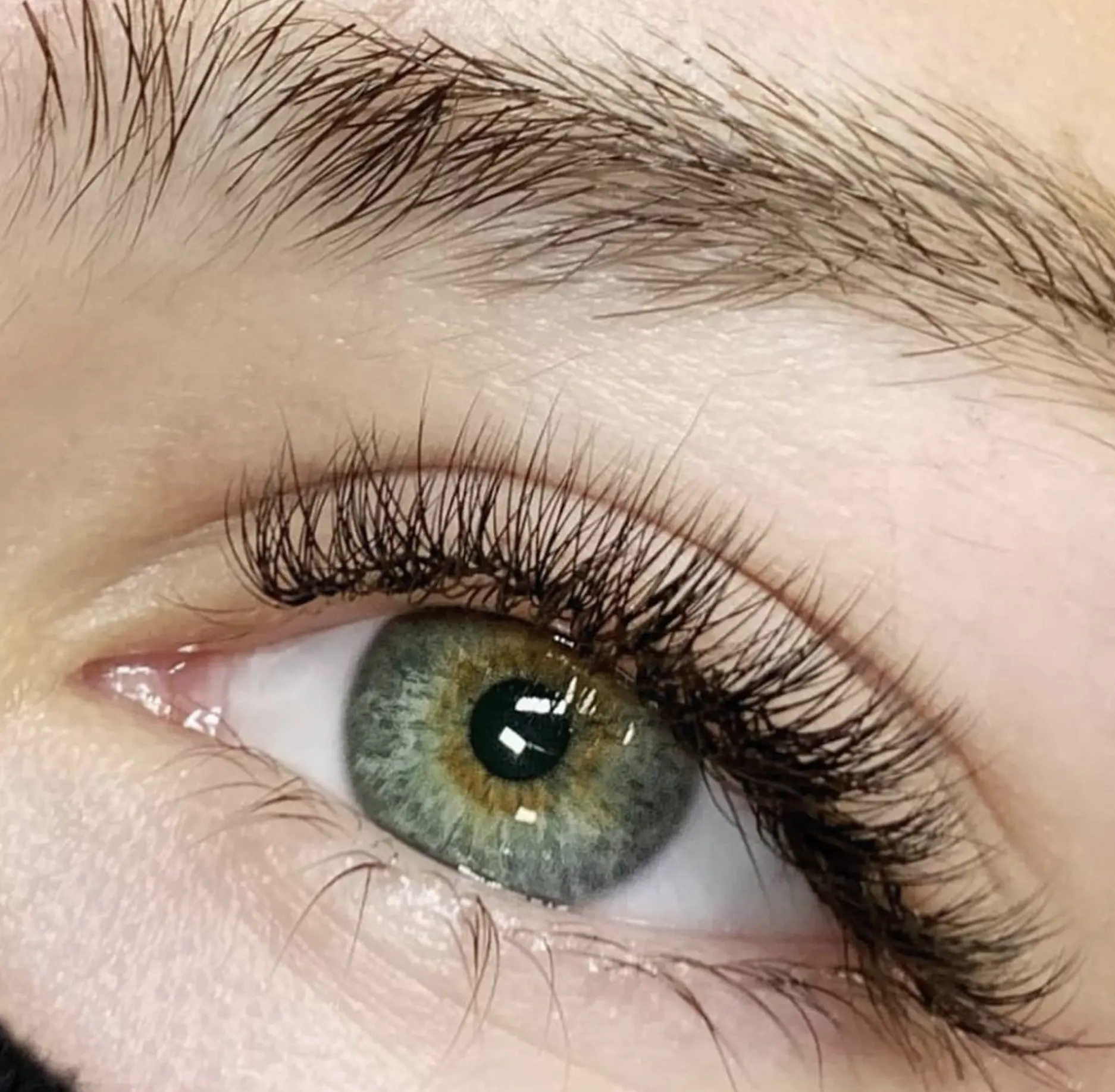
Aftercare
- Avoid direct sunlight for at least 2 weeks.
- Use the recommended aftercare creams or aftercare ointments to promote healing.
- Avoid excess moisture (swimming, saunas) during the days of microblading or eyeliner tattoos.
- Follow the aftercare sheet provided by your cosmetic tattooist.
- Book in for regular touch-ups to maintain colour intensity and a natural finish.
Who is a Good Candidate?
- Oily skin or sensitive skin looking for a semi-permanent option.
- People with hair loss or scars.
- Busy people who want to say goodbye to daily makeup.
- Clients wanting subtle enhancements to their features.
Age Limit & Medical Considerations
Most studios require clients to be 18+, although medical tattooing may have exceptions for younger clients seeking medical tattoo treatments.
Conclusion
While cosmetic tattooing and traditional body tattooing share some basic techniques, they have major differences in terms of pigments, depth, longevity and healing process. Whether you’re looking at Eyebrow microblading, Permanent eyeliner, Lip tattooing or Medical tattooing, choosing an experienced artist ensures a precise application and the best possible results.
Looking for a cosmetic tattoo in Brisbane? Make sure to find a certified professional with experience in cosmetic tattoo procedures. Ready to book a cosmetic tattoo? Contact a certified professional today!
FAQ
What is the difference between cosmetic and traditional tattooing?
Cosmetic tattooing enhances natural features using semi-permanent pigments applied to the upper layers of skin, while traditional tattooing uses permanent ink injected deeper into the dermal layer for bold body art.
Does cosmetic tattooing hurt less than traditional tattooing?
Yes, cosmetic tattooing is generally less painful because it targets only the upper layers of skin and usually involves a topical anesthetic, making the experience more comfortable.
How long do cosmetic tattoos last?
Cosmetic tattoos typically last 1 to 3 years depending on skin type, lifestyle, and aftercare. They gradually fade over time and may require touch-ups.
Is cosmetic tattooing safe?
When performed by a certified and experienced professional using sterile equipment, cosmetic tattooing is safe. Always check credentials and reviews before booking a treatment.
Can anyone get a cosmetic tattoo?
Most clients must be 18 or older, but some medical tattooing procedures may have exceptions. Cosmetic tattooing is suitable for people with sensitive or oily skin, or those looking for low-maintenance beauty enhancements.
What are common types of cosmetic tattoos?
Popular types include eyebrow microblading, lip tint tattooing, permanent eyeliner, scalp micropigmentation, and medical tattoos for scar or areola restoration.
What aftercare is required for cosmetic tattooing?
Avoid sun exposure, swimming, and heavy sweating for 7–14 days. Use healing ointment