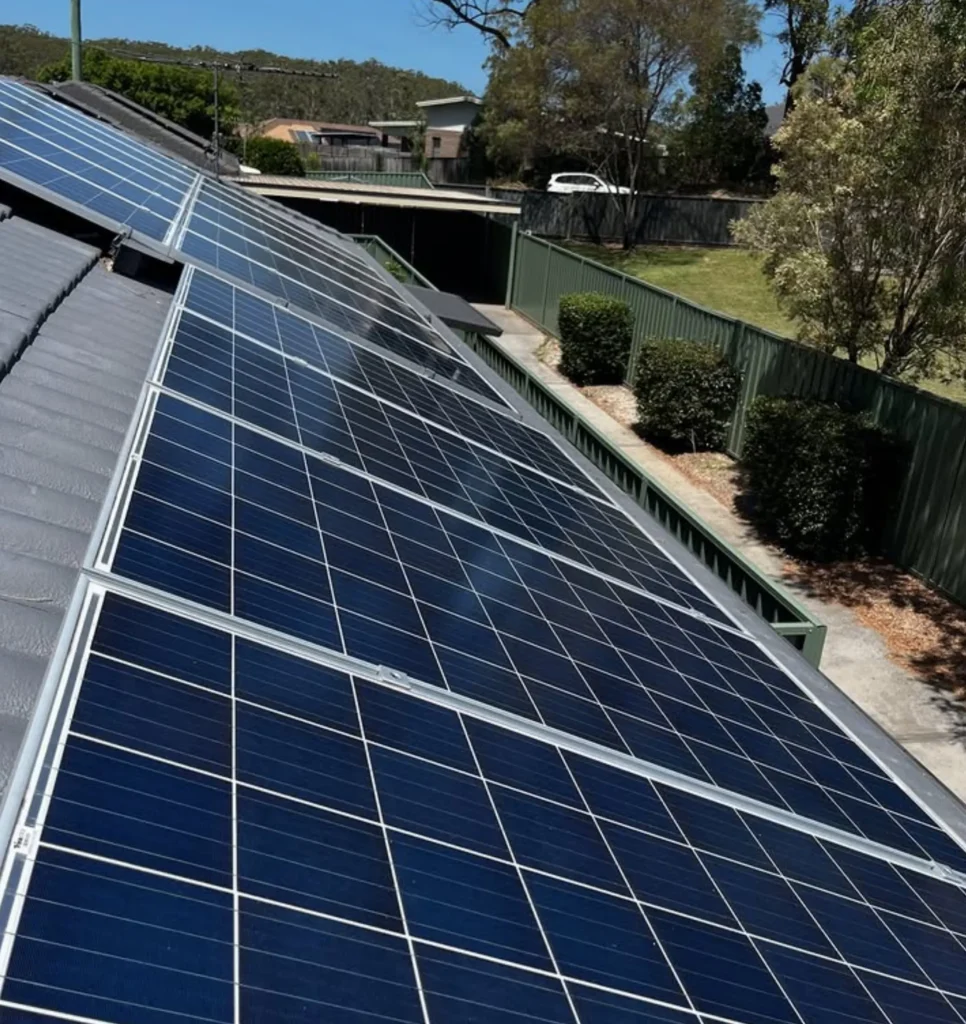
If you’ve had a chat with your solar installer about system size and inverter ratings at some point, there’s a good chance you’ve come across the 20% rule for solar panels. This bit of solar knowledge can make or break your rebate eligibility—and your long-term energy savings. At Window Cleaning Melbourne Crew, we’ve seen our fair share of rooftops around Melbourne where this simple rule has made the difference between a properly functioning, compliant solar system and one that just looks ok.
Why Oversizing Matters
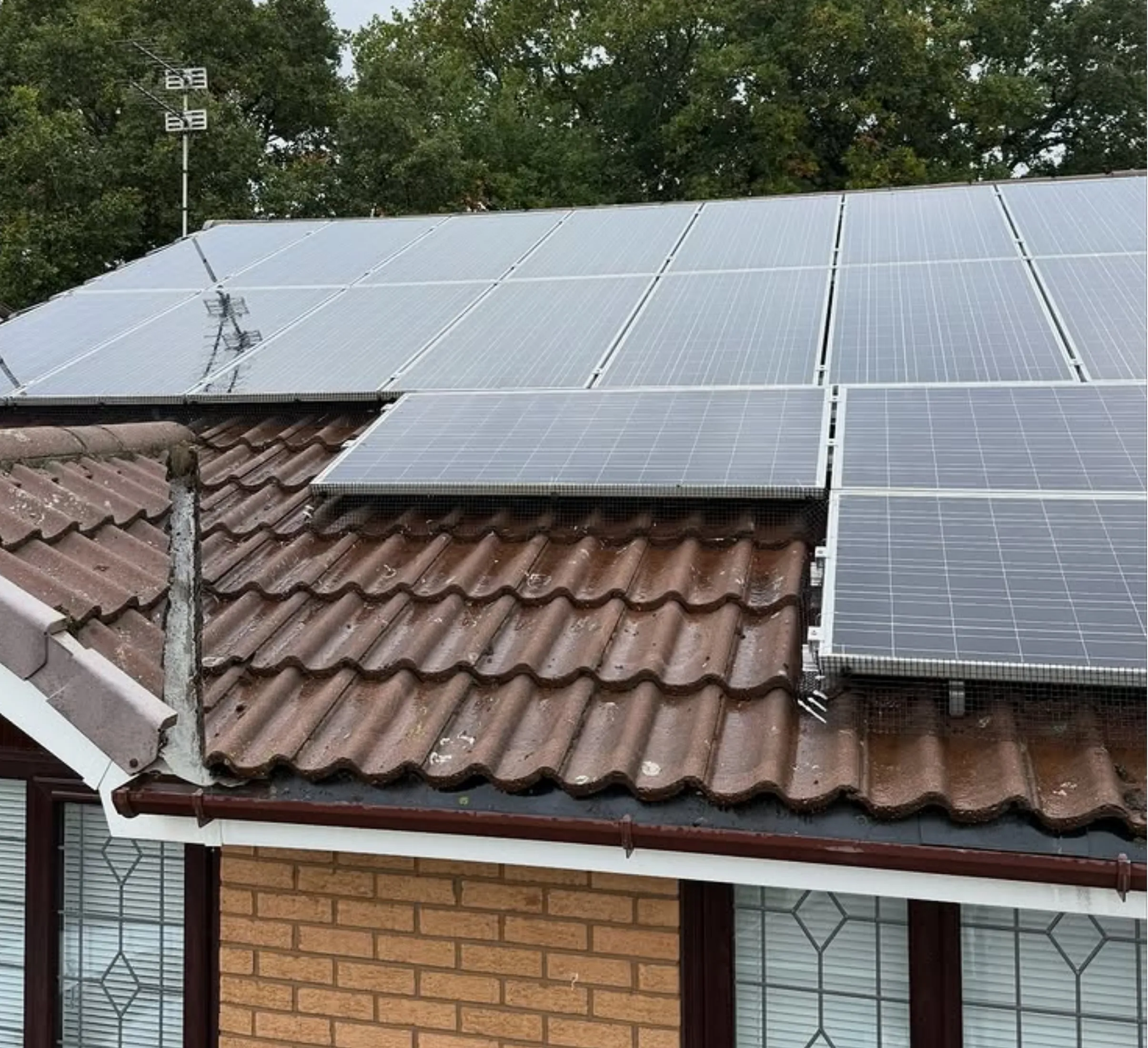
Back in Australia, the Clean Energy Council (CEC) sets the rules to ensure solar PV installations run safely and efficiently. The 20% oversizing rule states that your solar system — i.e., all the panels combined — can be up to 1.2 times your inverter’s standard capacity.
Let’s say you’ve got a 5kW inverter installed. According to the rule, you could have a 6kW system (that’s 20% oversize). This flexibility accounts for losses caused by weather, shading issues, and the normal efficiency dips.
| Inverter Size (kW) | Maximum Panel Capacity (kW) | Oversize Limit (%) | Eligible For STCs? |
|---|---|---|---|
| 3.0 | 3.6 | 20% | Yes |
| 5.0 | 6.0 | 20% | Yes |
| 10.0 | 12.0 | 20% | Yes |
Why is there a limit on solar panel size? Because going over 20% of what you need might run up against roof coverage regulations, make your system more expensive to install, and knock it out of the running for any Federal STC incentives or savings on your Victorian Solar Homes rebate.
Why Oversizing Is A No-Brainer For Solar Performance

As any solar installer will tell you, panels almost never quite hit their promised wattage output. With solar irradiance, heat loss, and Peak Sun Hours all affecting performance, panels usually produce less power than their nameplate suggests. The 20% rule helps compensate for all that and keeps your inverter humming efficiently.
Think of your inverter as your tradie’s toolbox — you want it working, not sitting idle. Oversizing your system by just a bit helps it stay there, especially on chilly winter mornings, overcast days, or in Melbourne’s grey winter when the sun just doesn’t seem as bright.
Advantages of Sticking To The 20% Rule:
- Better inverter efficiency: Gets your inverter running exactly where it likes to work.
- More annual energy output: This means lower energy bills and a better-performing system overall.
- Qualify for all the rebates: Stay eligible for government rebates, Solar Victoria incentives, and feed-in tariffs.
- Extended system lifespan: Reduces stress on your system and lowers risk of wiring faults.
What The Clean Energy Council Is Saying
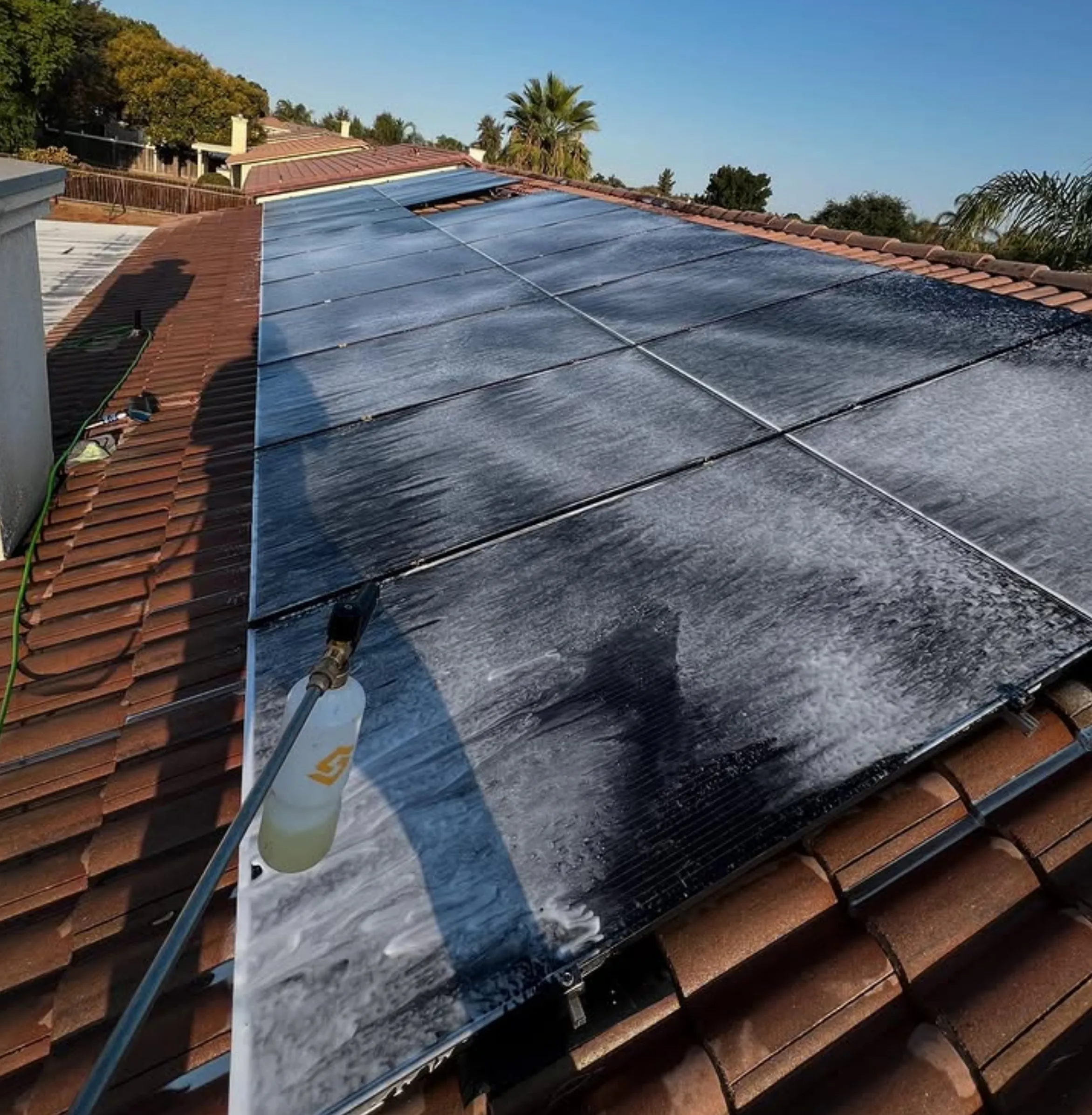
The Clean Energy Regulator and Clean Energy Council both recommend modest oversizing for optimal system performance. The 20% rule balances performance and compliance.
When designing your solar installation, an accredited solar installer will consider:
- Your daily energy usage and expected future needs
- Your roof layout, panel angle and available space
- The type of panels — monocrystalline, polycrystalline, or bifacial
- Your system monitoring setup for tracking performance
It’s all about designing efficiently so you don’t waste money by oversolarizing your roof.
Efficiency and Self-Reliance

Oversizing your solar array within the rule helps improve solar power generation across different weather conditions, boosting energy independence. By generating more solar energy, you’ll use less grid power and have more flexibility to charge your solar battery or even power electric cars.
Pairing compliant panels with a battery system also provides backup power during outages and reduces reliance on peak tariffs — perfect for homes with air conditioners or pool pumps running during the day.
Melbourne homes using solar battery loan options through Solar Victoria often see their systems perform best when slightly oversized — just enough to fill the battery during Peak Sun Hours without tripping the inverter.
The Hidden Factors Affecting Inverter Efficiency
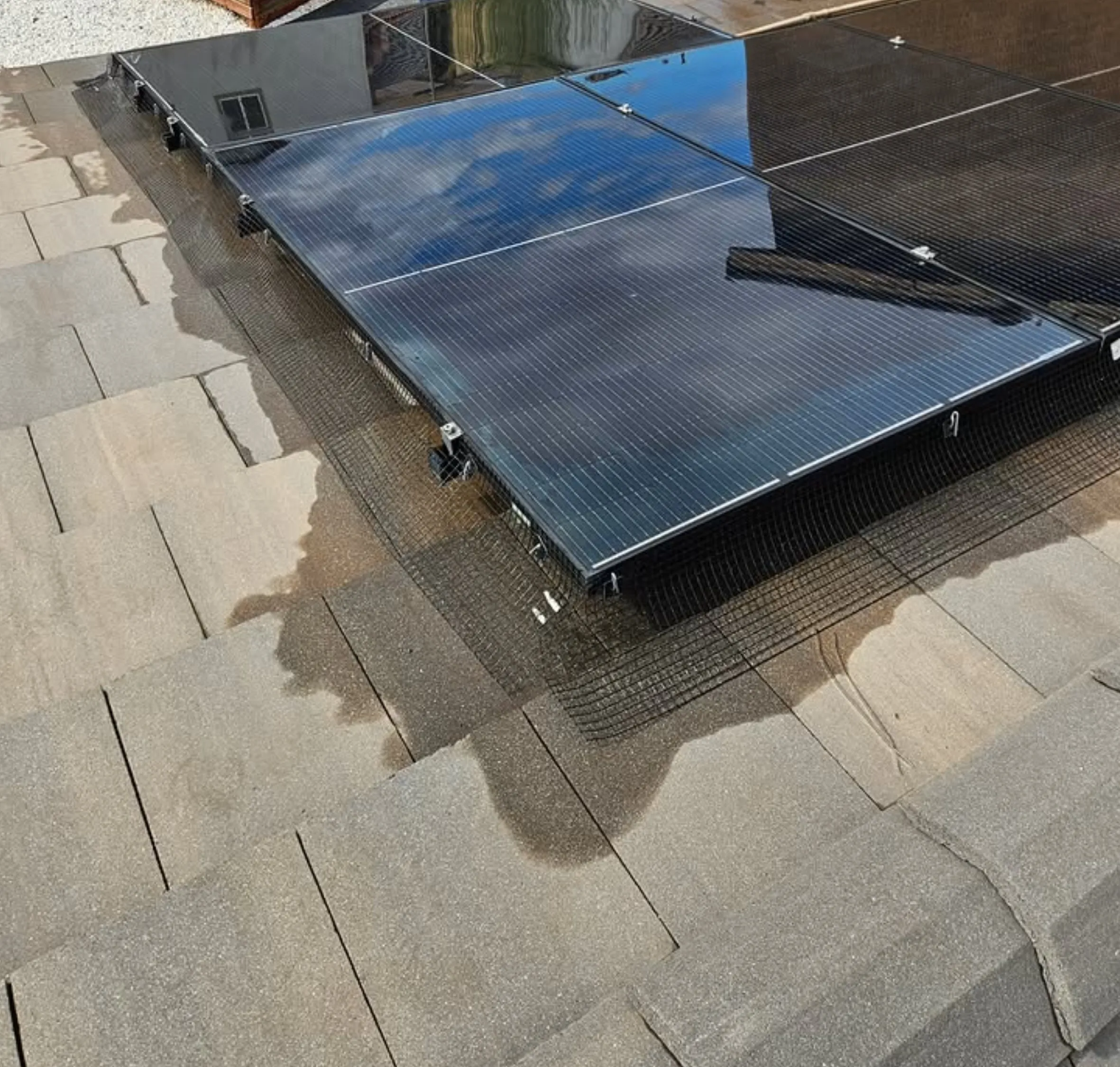
Even a perfectly designed system can lose output if you ignore these conditions:
- Dust and grime: Reduces solar efficiency by 5–10% (we see it daily when we clean panels).
- Hot spots: Caused by shading or faulty connections; can lead to current mismatch or DC undervoltage.
- Wiring faults: Common in older systems or DIY installs — look for a warning or fault light on your inverter.
- Temperature loss rate: In hot weather, efficiency can drop up to 20%.
- System design: Split-cell panels and 440W modules improve performance and reduce thermal stress.
That’s why we recommend a solar health check when you book a panel clean — it helps identify faults before they eat into your solar ROI.
Cleaning And Energy Output
Clean panels mean efficient panels. Dust, leaves and bird droppings all reduce solar irradiance, which affects how well your panels convert sunlight into electricity. Regular solar panel cleaning keeps performance optimal and ensures your feed-in system continues to earn credits through net metering.
For example, solar panel cleaning in Airport West often reveals dust and pollen that reduces performance by 10–15%. Once cleaned, most homeowners see their production graph in the monitoring app jump back to expected levels.
Typical Efficiency Losses And Real-World Data
| Condition | Estimated Output Loss (%) | Solution |
|---|---|---|
| Dust, pollen, or salt spray | 5–10% | Regular professional cleaning |
| Bird droppings or leaf litter | 10–20% | Visual inspection & trimming branches |
| Overheating (summer) | 5–15% | Maintain airflow & monitor temps |
| Cloud cover or shading | 10–30% | Strategic panel placement |
| Faulty wiring or hot spots | 5–25% | Routine solar health checks |
FAQ
What is the 20% rule for solar panels in Australia?
You can install up to 20% more solar panels than your inverter rating — for example, a 5kW inverter can handle 6kW of panels. This ensures stable performance and rebate eligibility.
What happens if I exceed the 20% limit?
You’ll likely lose STCs, solar rebates and possibly void your installer’s warranty.
Does the 20% rule affect solar battery storage?
Indirectly yes. A compliant array charges your solar battery efficiently without stressing the inverter or causing overproduction.
How often should solar panels be cleaned?
At least twice a year — or quarterly if you live near trees, busy roads or coastal areas. Clean panels reduce energy losses and lower your energy bills.
Can I track my system performance?
Yes. Use your solar monitoring app to check production graphs, inverter output and efficiency trends — especially after cleaning or maintenance.