G’day — I’m Paul Beames, and I’ve spent a few summers cruising the iconic coastal drive. If you’re thinking of taking the Great Ocean Road over New Year’s, you’re in for something very different to a mid-week visit in May. The pace, the crowds, the heat, the camping — everything shifts. Let’s get into the nitty-gritty so you can plan smart, avoid avoidable hassles and enjoy it properly with Great Ocean Road Tours, who know this coastline like the back of their hand.
Early Planning Pays Off
There’s no point arriving without a plan—over the New Year’s period, the corridor gets busy, bookings fill fast, and weather can surprise you. I’ll walk you through what to expect, how to book ahead and how to avoid being stuck in traffic, paying through the nose or missing out entirely.
If you’re new to the region, joining a Great Ocean Road Tour can save you time and stress, giving you the inside track on local secrets, scenic stops and the best times to visit the Twelve Apostles.
Why This Stretch Explodes in Early January
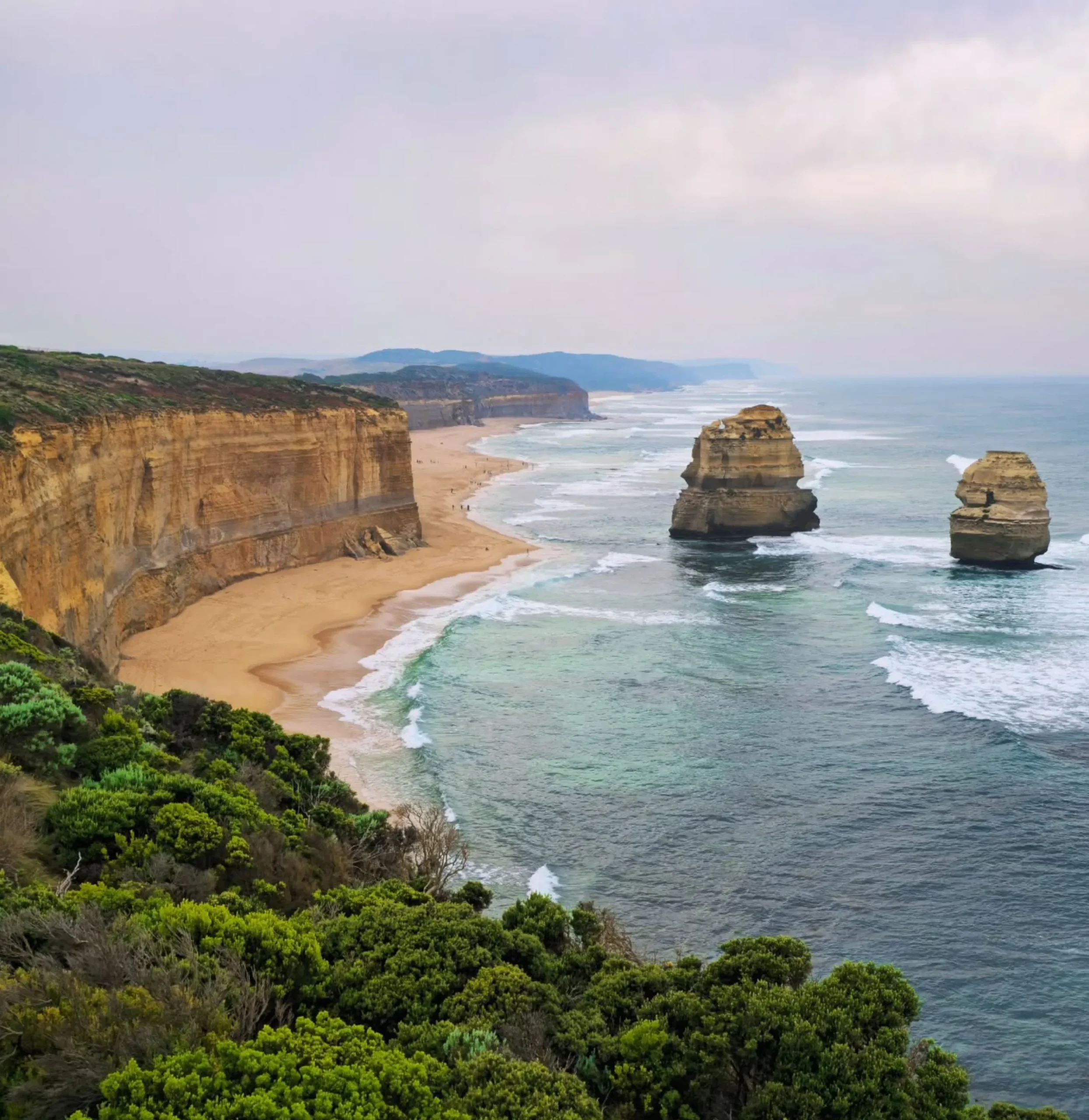
- The official route, from Torquay through to Allansford, along the south coast of Victoria, is part of the memorial drive built for WWI returned soldiers.
- Visitor stats show this region attracts millions annually: for example, more than 6.8 million visitors in 2024.
- New Year’s is peak season with hot weather, school holidays, summer crowds and local businesses ready for action.
Booking Essentials
Here’s a quick table of what to book and why:
| What to book | Why it matters over the New Year’s period | Tip |
|---|---|---|
| Accommodation (towns + caravan parks) | Places sell out weeks ahead | Book at least 8–12 weeks ahead |
| Rental car, fuel & tyres | Heavy traffic + long drive = risk of breakdowns | Check the car condition & load spare water |
| Campsite or holiday park | If you prefer bush-camping or caravan stays | Require advanced booking & check fire rules |
| Route plan & alternatives | Because one-lane coastal route closures happen | Have a B-road alternative in mind |
Watch the Weather and Environment
Let’s be honest, January is bloody hot. The sun can be fierce, bushfire risk is high, and some tracks can be slippery after summer storms. According to the regional authority, the area is subject to coastal erosion and weather impacts.
Bring sun protection, plenty of water, check for closures and keep your tyres in good condition.
Supporting Eco-Friendly Travel
Travelling this stretch means you’re part of a fragile coastal ecosystem. From beach nourishment and dune reinforcement projects to protecting marine life, visitors can help by choosing eco-friendly accommodations and supporting community engagement programs that sustain local environments. Companies like Great Ocean Road Tours work closely with local groups to promote sustainable travel initiatives.
3–4 Day Itinerary
If you have 3–4 days, you’ll love this manageable itinerary that balances drive time with downtime. I’ll share my version, and you can modify it to your style.
A Great Ocean Road Tour can help you pack more into a short time, with expert guides who know the best sunrise spots, quiet beaches and top-notch bakeries worth a detour.
Day-by-Day Breakdown
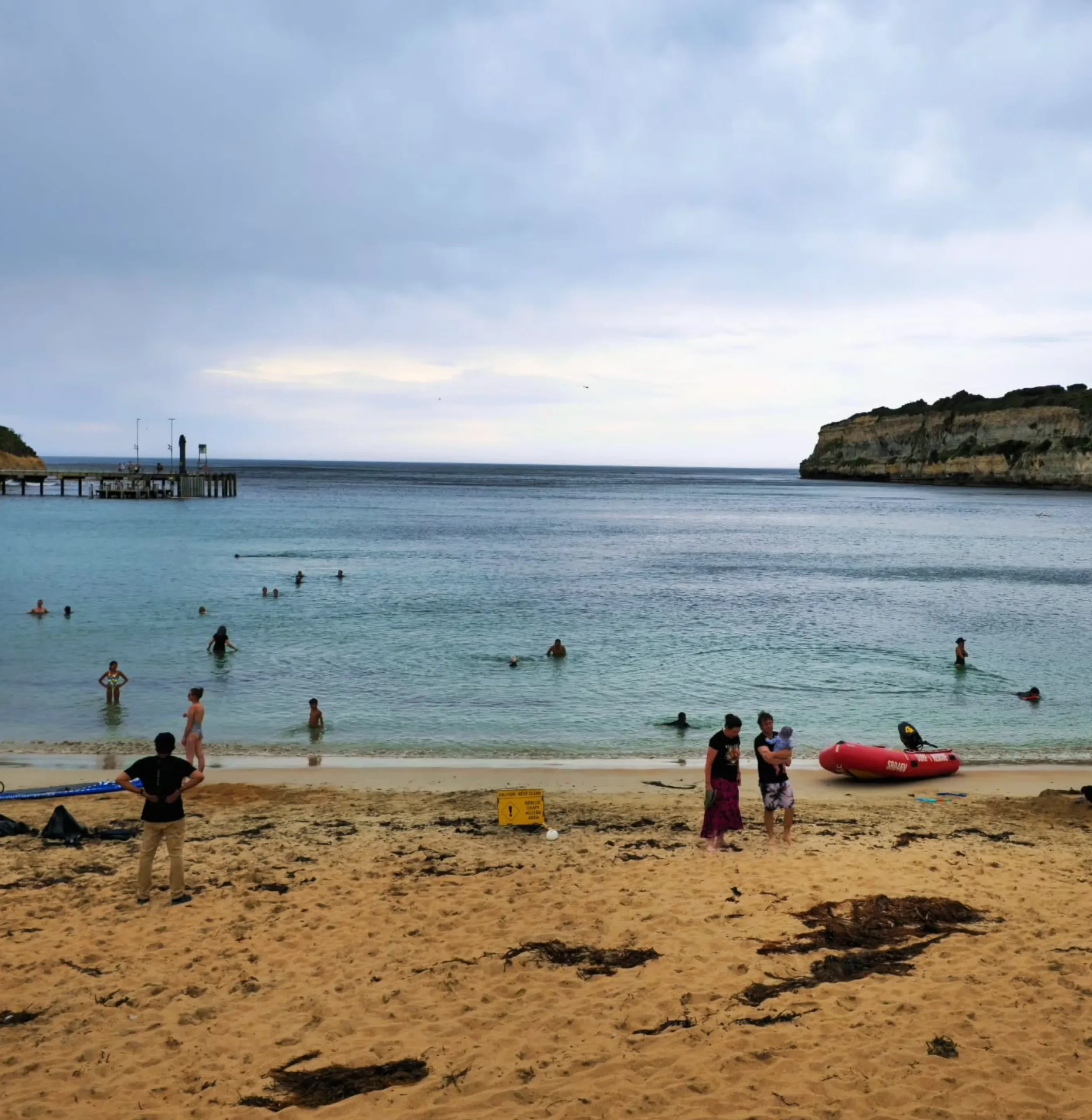
Day 1: Melbourne → Torquay → Lorne
Get on the road from Melbourne and arrive in Torquay mid-morning. Stretch the legs, grab a coffee and then continue via Anglesea and Aireys Inlet into Lorne. Stay overnight, relax on the beach and enjoy the evening breeze (and mozzies).
Day 2: Lorne → Apollo Bay → Otways
Drive to Apollo Bay, have lunch, then detour through the Otway rainforest or visit waterfalls. Overnight near the coast or in the hinterland if you want cooler air. Don’t miss the lighthouse tours at Cape Otway — the views, stories and salty wind are worth it.
Day 3: Otways → Port Campbell → Twelve Apostles
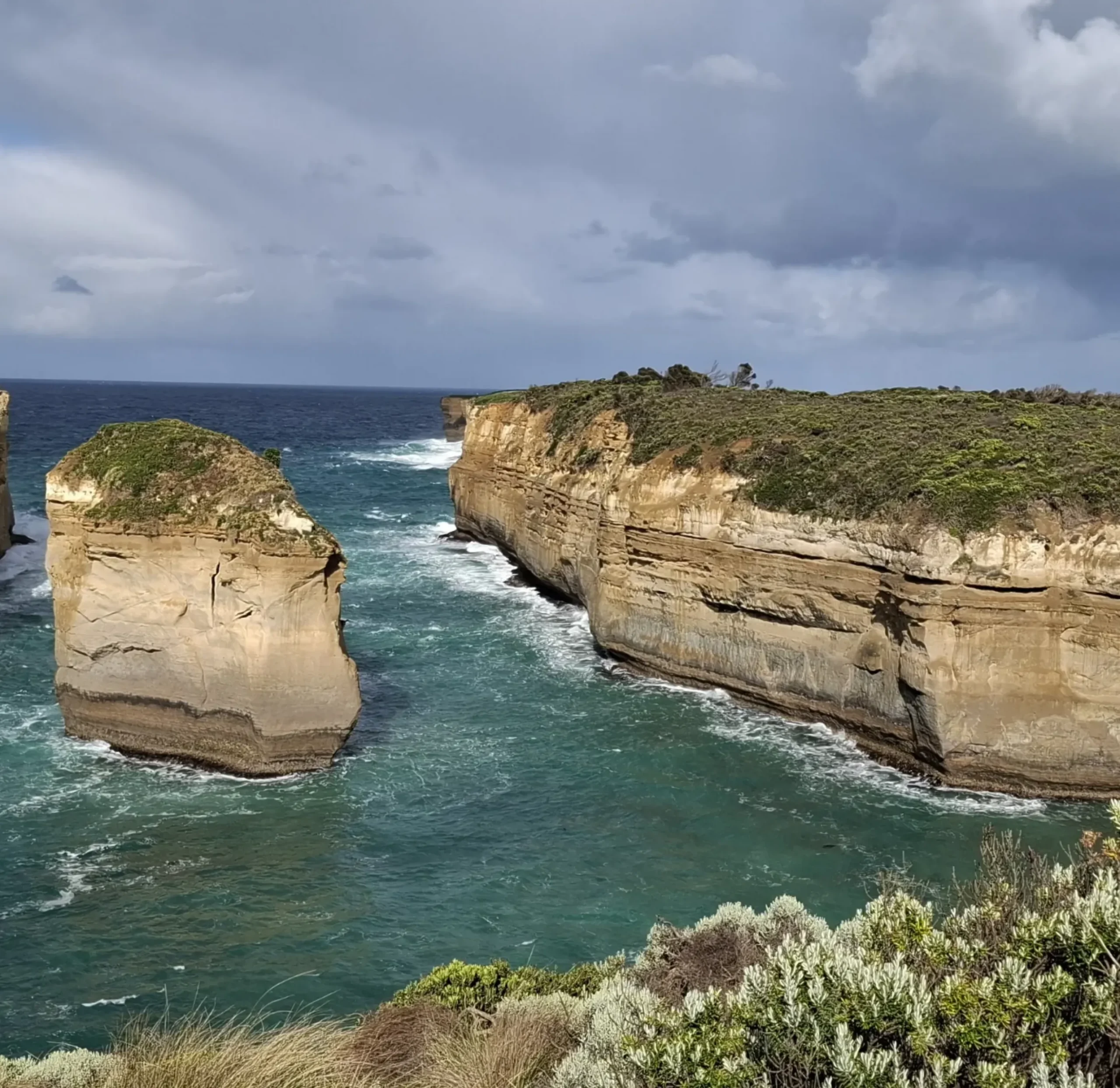
Start early so you’re at the viewpoint for Twelve Apostles (fewer crowds if you’re there at sunrise). Then explore Loch Ard Gorge, Port Campbell and other formations. Overnight around that region.
Day 4: Final Drive → Warrnambool / Return to Melbourne
Continue west if you like, then loop back to Melbourne or stay one more night and finish fresh.
Tips to Keep It Smooth
- Get on the road early (before 8 am) to avoid mid-afternoon traffic and delays.
- Use the two-lane road to your advantage — no speeding, but know your overtaking spots.
- Bring insect repellent for evening walks near bush or water.
- Carry spare water and snacks for long stretches.
- Try local produce and wine; the terra rossa soils near the coast suit pinot noir and shiraz.
The Crowd, the Cost & the Seasonal Reality Check
Don’t get caught out by the crowds, price hikes and general mayhem that comes with a popular destination. I’ll give you a rundown of what to expect and how to beat the system.
What the Visitor Numbers Tell Us
- By 2024, around 6.8 million travellers had taken on the route.
- A large portion are day-trippers from Melbourne, swelling towns midday.
- Tourism spend hit around AUD 1.7 billion in the region last year.
What to Expect From the Prices
- Accommodation prices rise 20–50% between 27 Dec and 2 Jan.
- Car rentals sell out fast and cost more if booked late.
- Food and fuel cost more in remote towns — plan ahead.
Summer Heat, Sun, Bugs & Other Yummies
Temperatures can hit 25–30°C in January, hotter inland. Mosquitoes and flies peak at dawn and dusk. The sun is intense — hat, sunglasses, SPF 50+ and water are non-negotiable.
Local Hacks & Practical Tips You’ll Amen Later
- Stay overnight to avoid the midday shuttle-bus crowd.
- Choose quieter areas like the Cape Otway region or inland Otways.
- Check tyres, coolant and fuel before remote stretches.
- Fuel up early — some service stations close over holidays.
Respecting Country & Environment
The drive crosses lands of the Wadawurrung people and Eastern Maar Peoples. Follow signage, stay on tracks and respect wildlife and erosion-sensitive zones.
Packing List & Pre-Trip Checklist
Essentials
- Valid driver’s licence + roadside assistance info
- Spare water (2L per person) + snacks
- Sun hat, sunglasses, SPF 50+
- Insect repellent + basic first-aid kit
- Comfortable walking shoes
- Swimmers and towel
- Light jacket for cool evenings
- Phone/camera + charger + power bank
- Offline maps (reception is patchy)
Pre-Trip Tasks
- Book accommodation and car hire early
- Check weather and road closures
- Share your route and check-in time
- Carry some cash
- Save emergency contacts offline
Final Thoughts
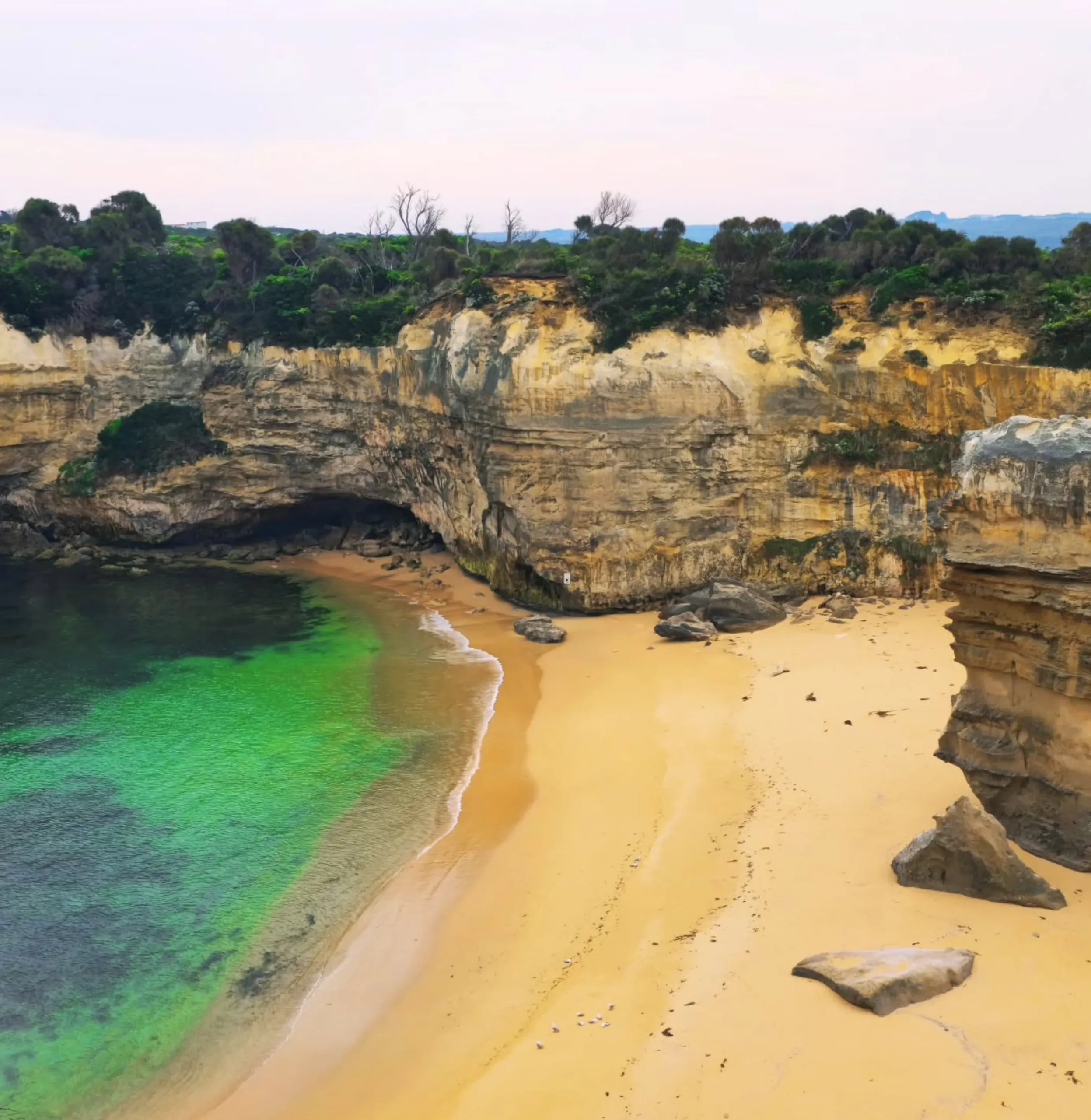
Driving the Great Ocean Road over New Year’s is worth it if you go in prepared. You’ll get summer energy, buzzing towns and a coastline in full swing — along with crowds, delays and higher prices.
Plan ahead, stay flexible, respect the land and don’t let the hype blow your head off. For those who want convenience and stories along the way, a guided Great Ocean Road Tour through Great Ocean Road Tours makes it seamless.
FAQ
Can I do this in a regular car, or do I need a 4WD?
A regular sealed-road car is fine for the main coastal drive. 4WD is only needed for off-road detours.
Are there fewer crowds if I arrive before New Year’s Day?
Yes. Late December is quieter than 29–31 Dec, though accommodation still books fast.
Can I do the drive in one day?
You can, but it’s rushed. Staying overnight lets you enjoy the coast properly.
What about mobile phone reception?
Reception is patchy through the Otways and western sections. Download maps offline and don’t rely on mobile data.
How hot will it be, and how do I handle the sun?
Expect 25–30°C or higher. Hat, sunglasses, SPF 50+, water and insect repellent are essential.