The Flora and Fauna of Kakadu’s Seasonal Wetlands
Kakadu National Park, a UNESCO World Heritage site located in the Northern Territory of Australia, is a vast and diverse landscape covering nearly 20,000 square kilometres. It is home to an array of ecosystems, from ancient escarpments and savannah woodlands to lush wetlands and tidal flats. Among these ecosystems, the seasonal wetlands of Kakadu are particularly remarkable, showcasing a dynamic environment where the flora and fauna are intricately connected to the region’s climatic patterns, particularly the wet and dry seasons.
Contents
A Dynamic Environment in Kakadu National Park
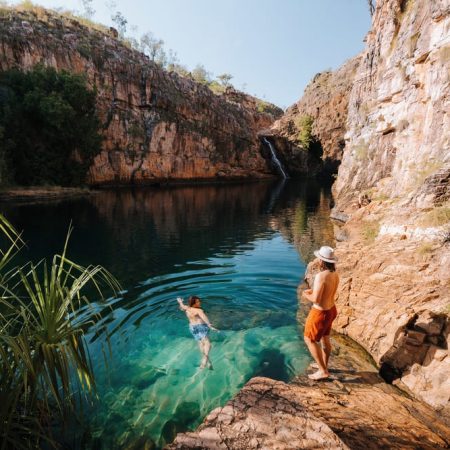
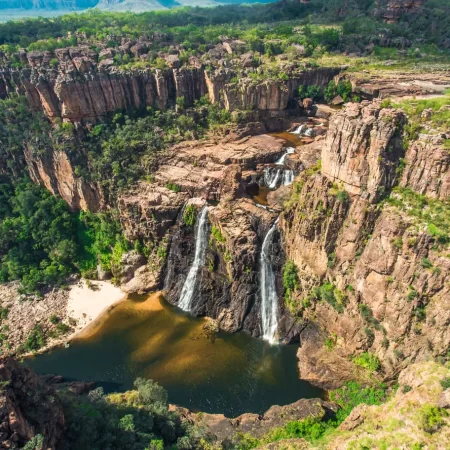
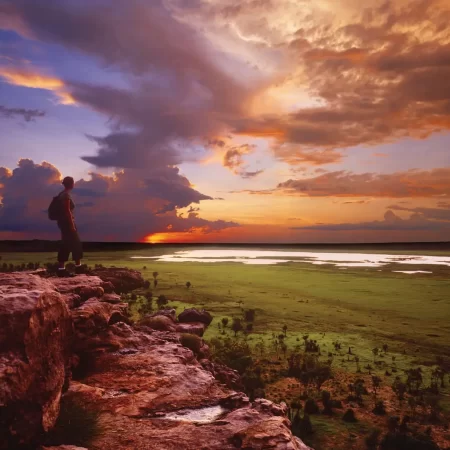
Kakadu’s seasonal wetlands are a living testament to the power of nature’s cycles. Each year, the wet season rains transform the landscape into an expansive, shallow, freshwater environment. Major river systems, such as the Adelaide River, overflow their banks, flooding the coastal floodplain and creating vast networks of interconnected aquatic habitats. These wetlands, which include freshwater billabongs, floodplain billabongs, and tidal mudflats, are vital to the entire catchment area, supporting an incredible diversity of plants and animals.
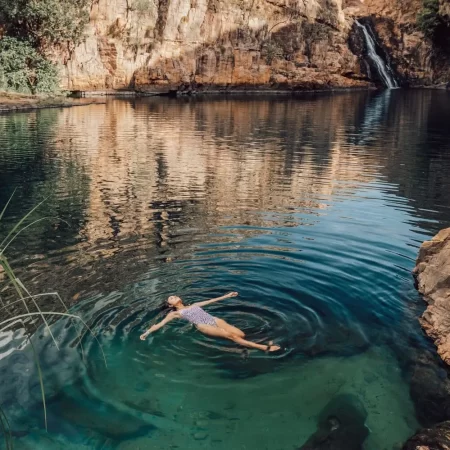
As the wet season gives way to the dry season, the water levels recede, revealing a different side of Kakadu’s wetlands. The once-flooded plains become dotted with permanent lakes, billabongs, and alluvial flats, while the tidal mudflats and sandy soil become exposed. This seasonal shift not only shapes the physical landscape but also influences the behaviour and survival strategies of the native wildlife that call Kakadu home.
A Rich and Varied Ecosystem
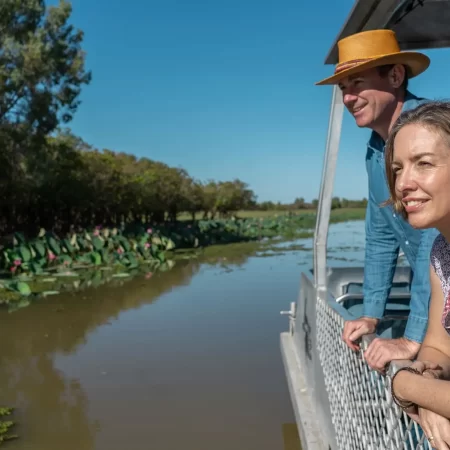
The plant species in Kakadu’s wetlands are as diverse as the landscape itself, adapting to the changing conditions brought by the wet and dry seasons. During the wet season, aquatic plants thrive in the shallow waters, with water lilies (Nymphaea spp.) blooming in abundance, creating a stunning visual spectacle. The floodplains are dominated by grasses such as wild rice (Oryza spp.) and spike rush (Eleocharis spp.), which provide essential food and shelter for the park’s wildlife.
As the water recedes during the dry season, different plant species emerge, adapted to survive in drier conditions. Paperbark trees (Melaleuca spp.), with their spongy bark and ability to thrive in both waterlogged and dry conditions, line the river banks and wetland edges. These trees play a crucial role in maintaining water quality by filtering sediments and pollutants from the water. The wetlands are also home to a variety of endemic plants, including reeds, sedges, and other aquatic species, which contribute to the park’s biological diversity.



Fauna of Kakadu’s Wetlands
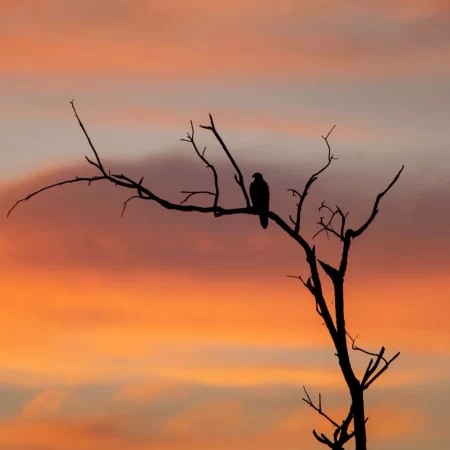
Kakadu’s seasonal wetlands are a haven for a wide variety of native wildlife, including many endemic species that are found nowhere else in the world. The wetlands are particularly important for bird species, with over 280 species recorded in the park. During the wet season, migratory birds such as the magpie goose, hooded parrot, and various stork species flock to the wetlands, taking advantage of the abundant food and nesting sites. The wetlands are also critical for water birds like the black-necked stork and the iconic brolga, which can be seen wading through the shallow waters in search of food.
Reptiles are another prominent feature of Kakadu’s wetlands. Freshwater crocodiles and the more elusive saltwater crocodiles (Crocodylus porosus) inhabit the park’s waterways, playing a vital role in the wetland ecosystem as apex predators. The pig-nosed turtle , an endemic species, is also found in the freshwater billabongs, where it feeds on aquatic plants and small fish.
Mammals such as the black wallaroo (Macropus bernardus) and the rock ringtail possum are often spotted near the wetlands, especially during the dry season when water becomes scarce in other parts of the park. The wetlands also support a rich diversity of amphibians, including various frog species that take advantage of the seasonal flooding to breed. The presence of these amphibians, along with an array of turtles and other aquatic species, highlights the ecological importance of Kakadu’s wetlands.
Invasive Species and Feral Animals
Despite its rich biodiversity, Kakadu’s wetlands face significant threats from invasive species and feral animals, which have been introduced to the region by human activities. The Asian water buffalo, for example, has caused extensive damage to the wetlands by trampling vegetation and compacting soil, leading to habitat loss and the degradation of water quality. Similarly, the cane toad, an invasive amphibian, poses a serious threat to native wildlife, particularly reptiles and amphibians, due to its toxic secretions.
Efforts to control these invasive species are ongoing, with the Federal government, Parks Australia, and local Indigenous communities working together to protect the park’s natural and cultural values. These efforts are part of the broader Kakadu National Park Plan of Management, which outlines strategies for managing invasive species, restoring degraded habitats, and preserving the park’s unique biodiversity.
Cultural and Archaeological Significance
Kakadu’s wetlands are not only ecologically important but also hold deep cultural and archaeological significance. The park is home to a rich array of cultural sites and archaeological sites, many of which are located in or near the wetlands. These sites provide an outstanding record of human interaction with the environment, dating back tens of thousands of years.
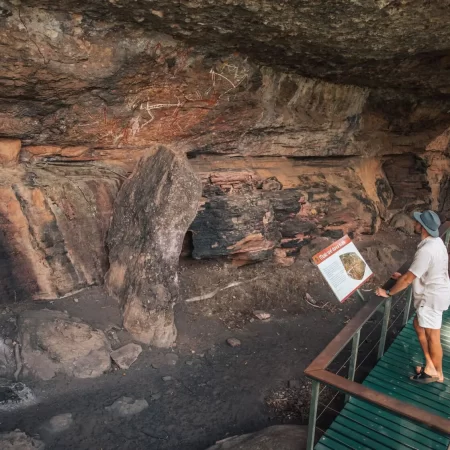
The Arnhem Land region, which borders Kakadu, is particularly significant for its rock art, with some of the most famous examples found at Nourlangie Rock and Ubirr. These rock carvings and paintings depict the spiritual and cultural beliefs of the Indigenous Bininj/Mungguy people, who have lived in the region for generations. The Arnhem Land escarpment, with its ancient species of plants and animals, is also a site of ongoing artistic achievement, showcasing the deep connection between the land and its people.
The wetlands themselves have been central to the cultural practices and traditions of the Indigenous people, providing food, water, and materials for thousands of years. The archaeological record found in these wetlands, including tools, artifacts, and remnants of ancient settlements, offers valuable insights into the evolutionary history of human life in Northern Australia. These sites are not only important for understanding the past but also for preserving the cultural values and anthropological traditions of the region.
The Impact of Human Activities
Human activities, both past and present, have had a profound impact on Kakadu’s wetlands. European settlement in the region introduced new challenges, including the introduction of feral animals and invasive species, as well as the development of small-scale mining operations. These activities have led to habitat loss, salinisation of freshwater wetlands, and other environmental issues that continue to affect the health of the wetlands today.
Mining activities, in particular, have left a lasting legacy in Kakadu. The abandoned small-scale uranium mining sites scattered throughout the park are a reminder of the environmental and cultural costs of resource extraction. The Kakadu National Park Ramsar site, which recognizes the international importance of the park’s wetlands, highlights the need for ongoing attention to protect these fragile ecosystems from further degradation.
Efforts to address these challenges are ongoing, with a focus on restoring degraded habitats, managing invasive species, and mitigating the impacts of past and present human activities. These efforts are essential for preserving the incredible diversity of plants and animals that call Kakadu’s wetlands home and for ensuring that future generations can continue to enjoy the park’s natural and cultural heritage.
Trip Planning Advice
For visitors to Kakadu National Park, exploring the seasonal wetlands is an experience that is not to be missed. The wetlands offer a unique opportunity to witness the incredible diversity of life in Northern Australia, from the lush wetlands of the wet season to the exposed tidal flats and billabongs of the dry season.
When planning a 4 Day Kakadu Tours From Darwin, it’s important to consider the timing of your visit. The wet season, which typically runs from November to April, is the best time to see the wetlands at their most vibrant, with abundant birdlife, flowering aquatic plants, and full river systems. However, the wet season also brings challenges, including seasonal flooding and limited access to some areas of the park.
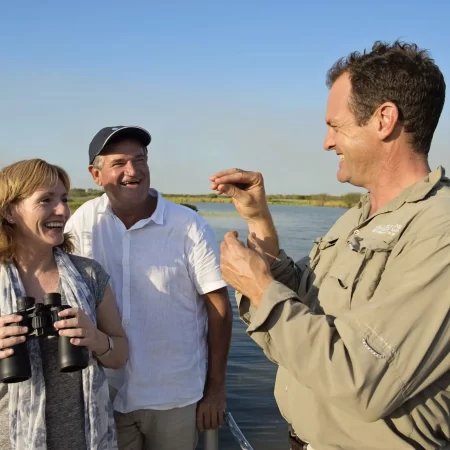
The dry season, from May to October, offers better access to the park’s walking trails and cultural sites, including Nourlangie Rock and the Arnhem Land escarpment. During this time, visitors can explore the exposed wetlands, spot native wildlife like the black wallaroo and rock ringtail possum, and take part in recreational activities such as birdwatching, fishing, and guided boat tours.
Whether visiting during the wet or dry season, Kakadu’s wetlands offer a unique and unforgettable experience, providing a glimpse into the natural and cultural richness of Northern Australia.
FAQ
What are some of the key features of Kakadu’s seasonal wetlands?
How do invasive species impact Kakadu’s wetlands?
Invasive species such as the Asian water buffalo and cane toads pose significant threats to Kakadu’s wetlands. They can cause habitat destruction, outcompete native species, and disrupt the natural balance of the ecosystem, leading to declines in native wildlife and degradation of water quality.
What cultural and archaeological significance do Kakadu’s wetlands hold?
What are some of the common plant and animal species found in Kakadu’s wetlands?
Common species include water lilies, paperbark trees, freshwater crocodiles, pig-nosed turtles, and a variety of bird species, such as the magpie goose and hooded parrot. The wetlands also support endemic species like the black wallaroo and rock ringtail possum.