Things To Do in Exmouth
Western Australia is home to gorge walking, snorkelling, off-roading, turtle watching and swimming with whale sharks.
Exmouth, located on Washington State’s beautiful Coral Coast, is an adventurer’s paradise. Just a stone’s throw from the World Heritage-listed Ningaloo Reef, there’s a wild national park, unspoilt coastline and plenty of sea life encounters, including the chance to swim alongside whale sharks – the largest fish in the ocean.
So let’s get to Exmouth things to do.
Content
Here are the must-do activities if you're planning a trip to Exmouth
Take up snorkelling
Exmouth’s coral bays, beautiful beaches and islands, filled with more than 500 species of fish and colourful coral, make for world-class snorkelling. The Turquoise Bay snorkelling spot is one of the town’s most famous spots, where professional swimmers move through the coral gardens with strong currents. Oyster Stacks is another popular spot where you can see sea turtles, urchins, moray eels and lots of colourful fish. Don’t forget to bring your coral reef shoes, as you’ll have to wade over a few rocks on your way into the water.
If you’re new to snorkelling, head to the tranquil Lakeside Beach. You’ll find a secure area filled with large reef fish, stingrays and even a few dormant (harmless) reef sharks.

Glamp on the beach
Beach camping enthusiasts will enjoy the tranquil Osprey Bay campsite. The campsite is on a rocky shore with turquoise waters just a few minutes from Osprey Bay, a small white sandy beach ideal for swimming, snorkelling and kayaking. The bay is also a recreational fishing area, perfect for avid anglers. There are 44 campsites available, which must be booked in advance during peak season (April to October).
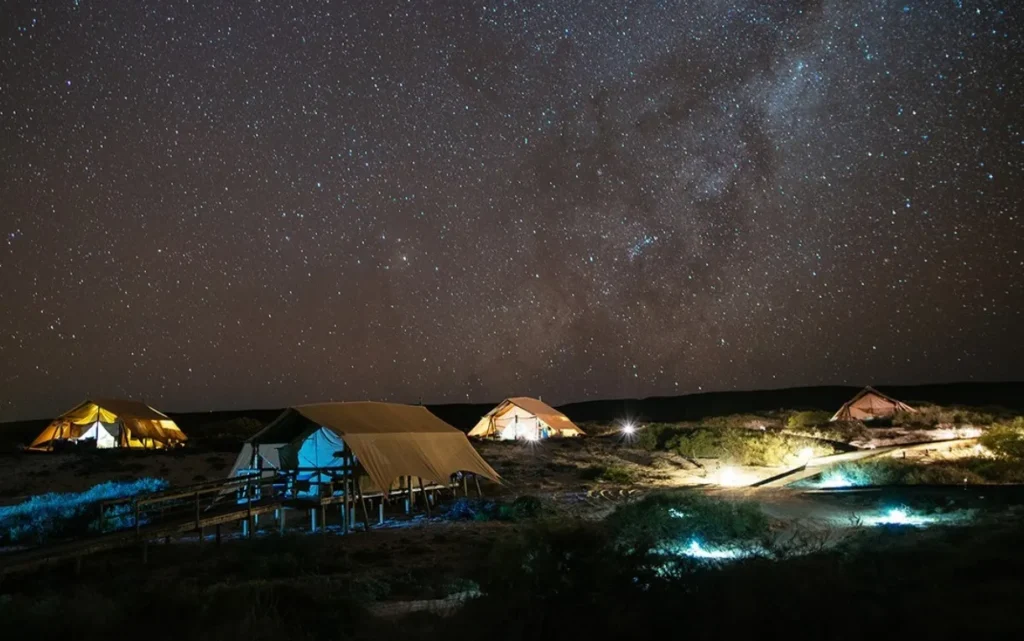
If you want something a little more luxurious, book a wildlife tent stay at Sal Salis Ningaloo Reef. At this eco-friendly beach safari camp, nestled in the Cape Range National Park dunes, ocean and stunning views merge to reveal the beauty of Exmouth wherever you look. Reach Ningaloo Reef just a few steps from your tent and relax in the ocean-view communal lounge, where camp staff serve sunset drinks and canapés every evening.
Gorges of the Cape Range National Park
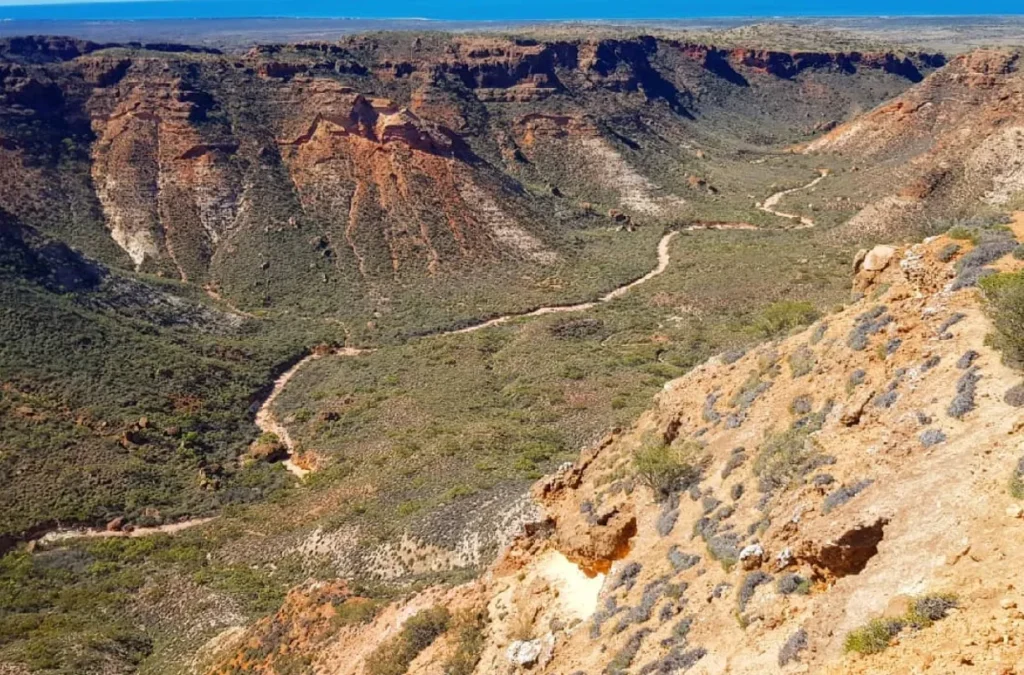
The three-kilometre Mandu Mandu Gorge Trail is one of Exmouth’s most spectacular walking routes. The trail follows a dried-up creek bed to the northern crest of the gorge, where you can enjoy panoramic views of the gorge against the ocean. Set off early in the morning to enjoy the cooler temperatures and see stone wallabies within the gorge walls.
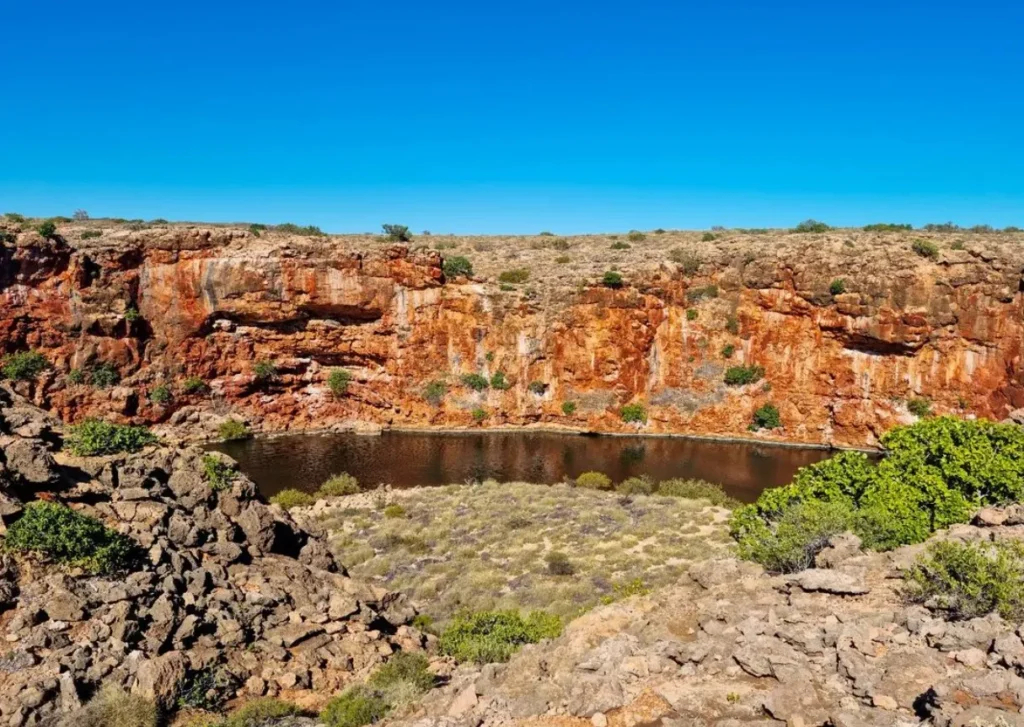
The other route combines the 2-kilometre Yardie Nature Trail and the Yardie Creek Gorge Trail. First, the trail follows a gentle path that offers spectacular views from Yardie Creek to Ningaloo Reef. Once it meets the gorge trail, the route slowly climbs up the red rocks of the gorge, taking hikers high above Yardy Creek and offering incredible views.
Due to the moderate weather, hiking in Exmouth is recommended between April and November. Take plenty of water and wear sturdy shoes as many trails traverse uneven terrain.
Swim with whale sharks
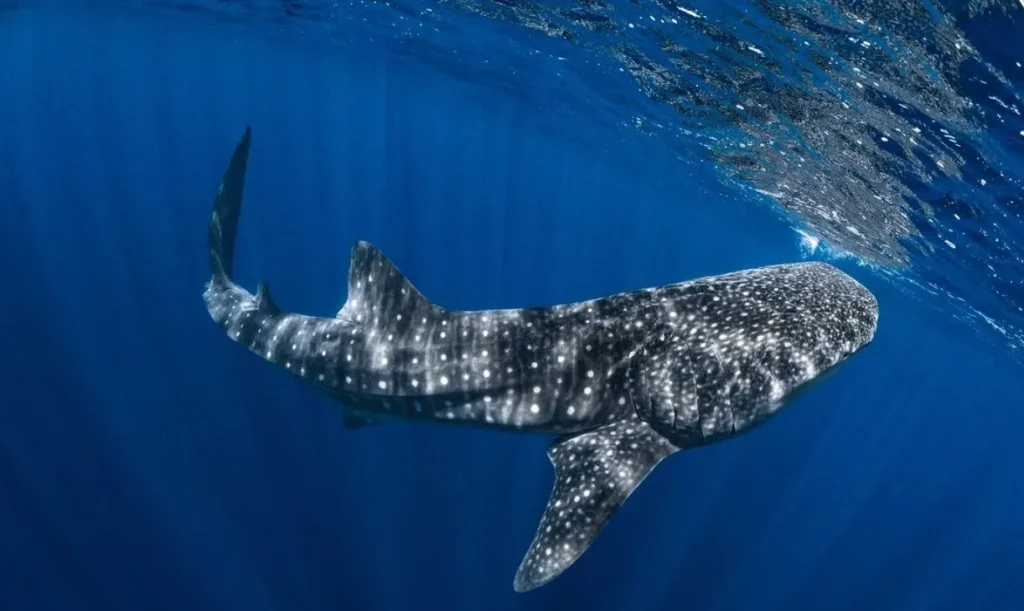
Swimming with whale sharks in blue waters is one of the most unique marine activities in Washington State. Ningaloo Reef is one of the only places on Earth where whale sharks regularly appear in large numbers. Exmouth is, therefore, a fantastic base for interacting with these mysterious giants.
There are many tour operators to choose from, but as swimming with whale sharks is extremely popular and only available for six months (depending on the year), book in advance to avoid missing out. If you like longer organised adventures, join Whale Shark Tours Exmouth.
4x4 Canyon Drive
For breathtaking views of the rugged gorges of Cape Range National Park, head to the 12-kilometre Shothole Canyon Scenic Drive. The canyon got its name in the early 1950s after gunshot holes were left in the ground by a series of controlled mini-earthquakes that were part of an oil exploration project. Walking along the bottom of the gorge, a dirt road takes you into the heart of Shothole Canyon and leads to an epic lookout over Exmouth Bay (accessible on foot from the car park).
The best time to walk this route is in spring when over 630 species of wildflowers come to life on the cliffs. If you fancy stretching your legs at the bottom of the canyon, park the car and join the walking trail to see echidnas, wallabies, lizards and native birds.
Enjoy fresh local seafood
Most restaurants in Exmouth have seafood dishes on the menu. A popular favourite is Whalers Restaurant, set in the beautifully manicured gardens of Exmouth Escape Resort. Whalers offer live music, succulent seafood, and steaks as main courses for relaxed family dining.
Try the Adrift Cafe next to the Exmouth visitor centre for a more straightforward meal. It’s open for breakfast, lunch and dinner and offers an extensive menu with various dishes. Stay for dessert – their homemade cakes and pies are visitors’ favourite treat.
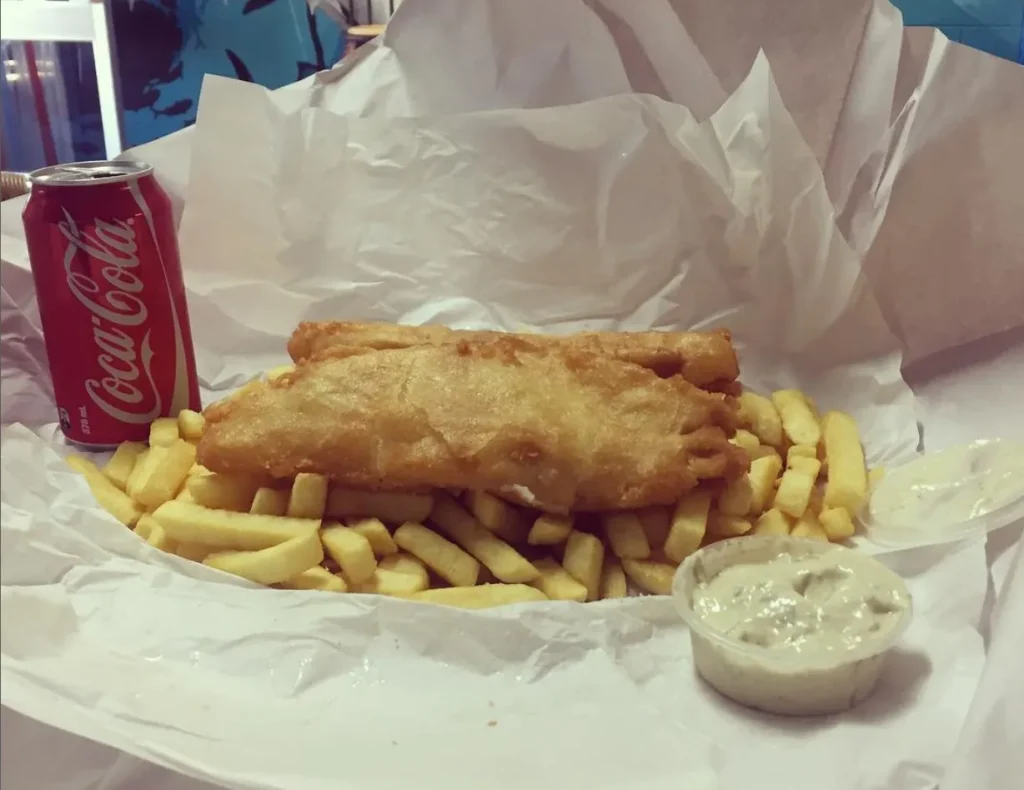
Order Fish & Chips at Blue Lips for an inexpensive and fun meal. They are famous for their fresh Spanish Lucian and mackerel. For those who don’t like seafood, they also make burgers and souvlaki.
Incredible views from Vlaming Head Lighthouse
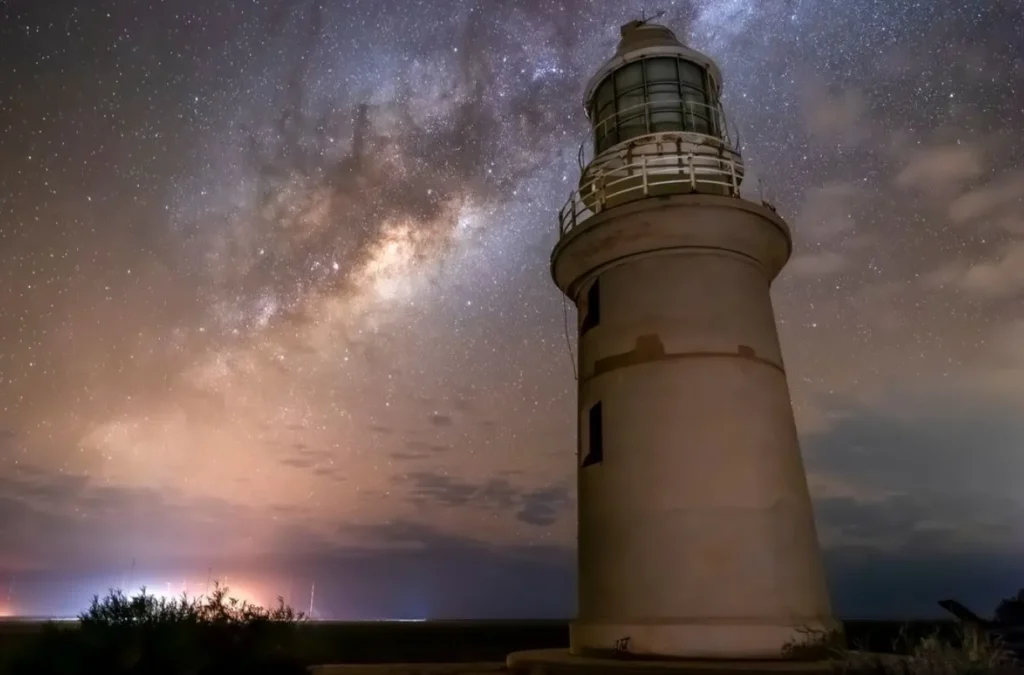
Take the scenic drive up to Vlaming Head Lighthouse. Its panoramic ocean views make it a fantastic place to watch the sunrise or sunset. Bring a picnic mat.
Astroenthusiasts should visit the lighthouse after dark when dazzling groups of stars and constellations are visible overhead. As the stars emerge, you’ll see a few astrophotographers at the tower’s base preparing the perfect shot.
Jurabi Turtle Centre
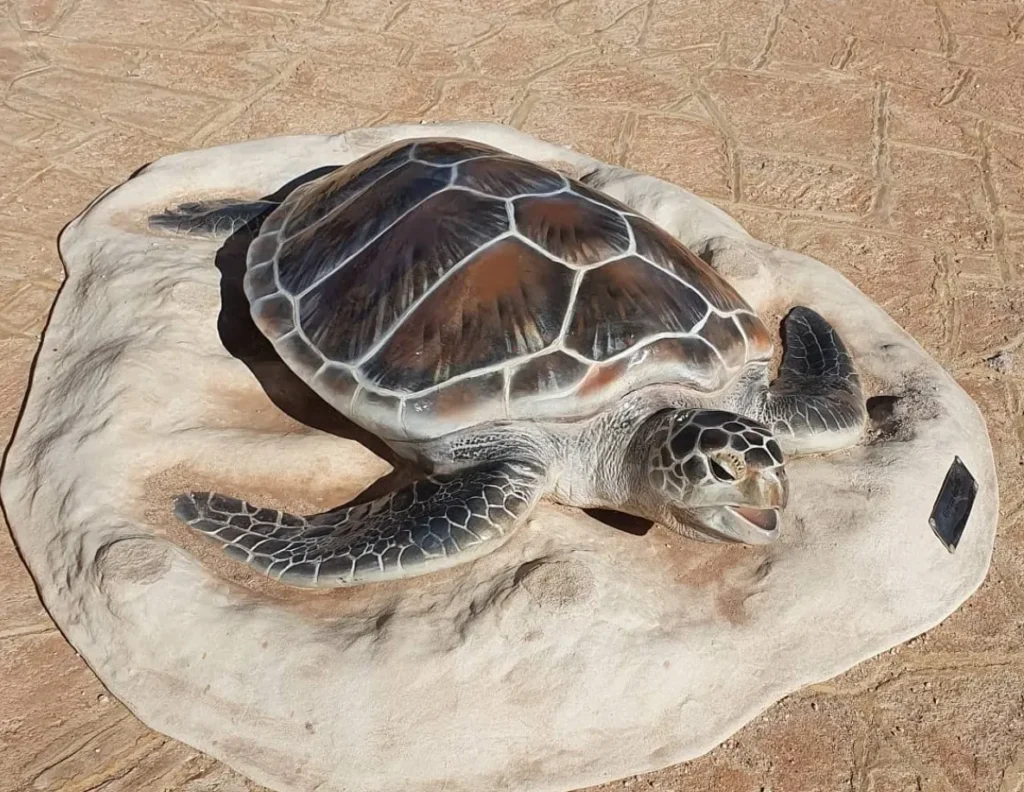
Four species of sea turtles live in the northwestern corner of Washington State: loggerhead, green and hawksbill. At the Jurab Turtle Center north of Exmouth, you have a unique opportunity to see them in their natural environment. Located behind the dunes between Hunters Beach and Mauritius Beach, the centre’s non-invasive turtle-watching sessions are a great way to learn about turtle life cycles and the factors that threaten them.
You can join a turtle environmental education tour in the evenings between December and early March. Be sure to book your place in advance.
Paddle Yardie Creek
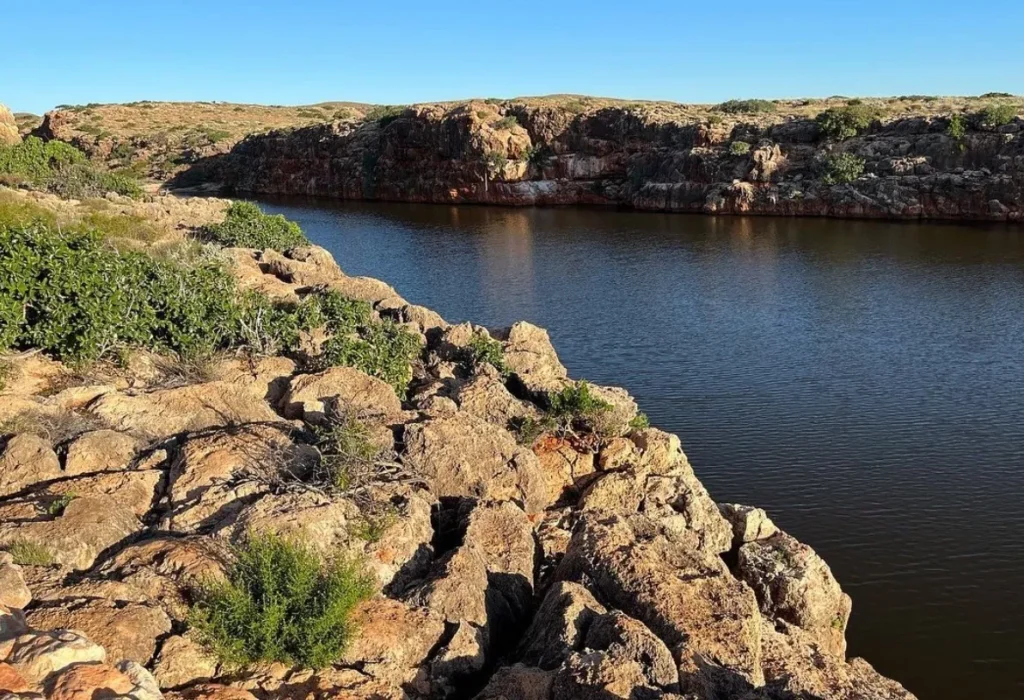
While Exmouth is best known for its snorkelling, fishing, boat tours, and diving, it also has a unique body of water best explored by kayak. Yardie Creek flows here all year round, winding past rugged red cliffs.
If you’re kayaking, head to the creek mouth at the south end of Yardie Creek Road (easy access to the parking lot) for an unforgettable experience. As you paddle through this area, you can see its unique features and colours up close – watch out for boats, as there are several chartered tours along the creek.
Whale watching
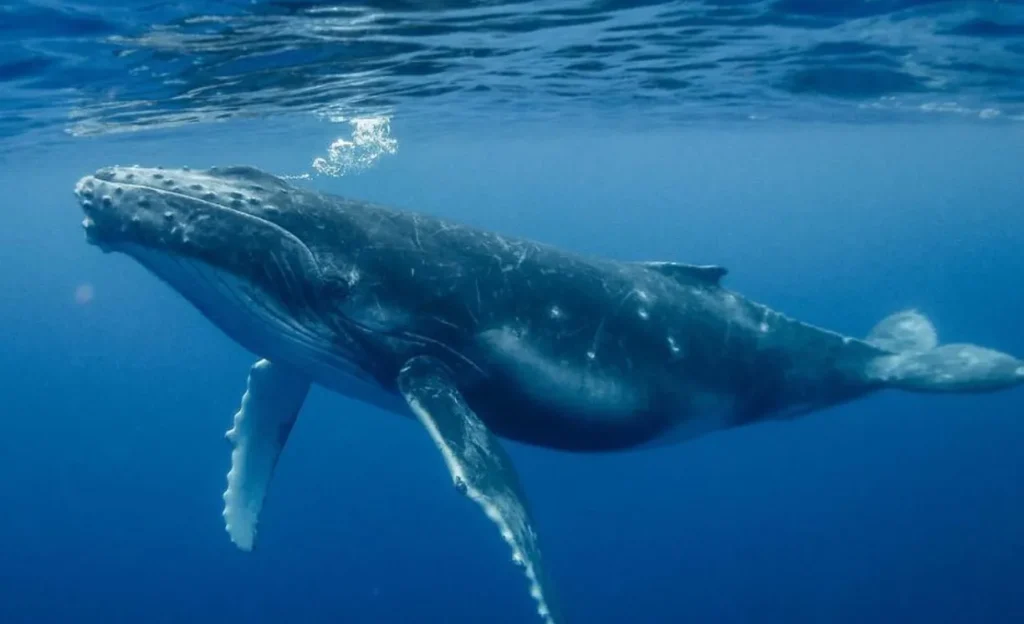
During the migration from Antarctica, Exmouth Bay is home to the most significant density of humpback whales in the southern hemisphere, making Exmouth one of the most popular spots for whale watching tours in Washington State. More than 30,000 humpback whales swim along the Ningaloo coast during their migration (usually from June to November), and there are plenty of places along the Exmouth coast where you can catch a glimpse of them.
Town Beach, Sunrise Beach and Bundegi Beach offer excellent vantage points for spotting humpback whales swimming along the Ningaloo Reef. If you prefer a birds eye view of the reef, head to Vlamingh Head lighthouse and don’t forget your binoculars.
There are also several whale-watching charters and boat trips that will get you closer to the action. Book a sunset whale-watching cruise or a dive on the Ningaloo Reef. You’ll save 10% on your booking if you’re an RAC member.
Monkey Mia
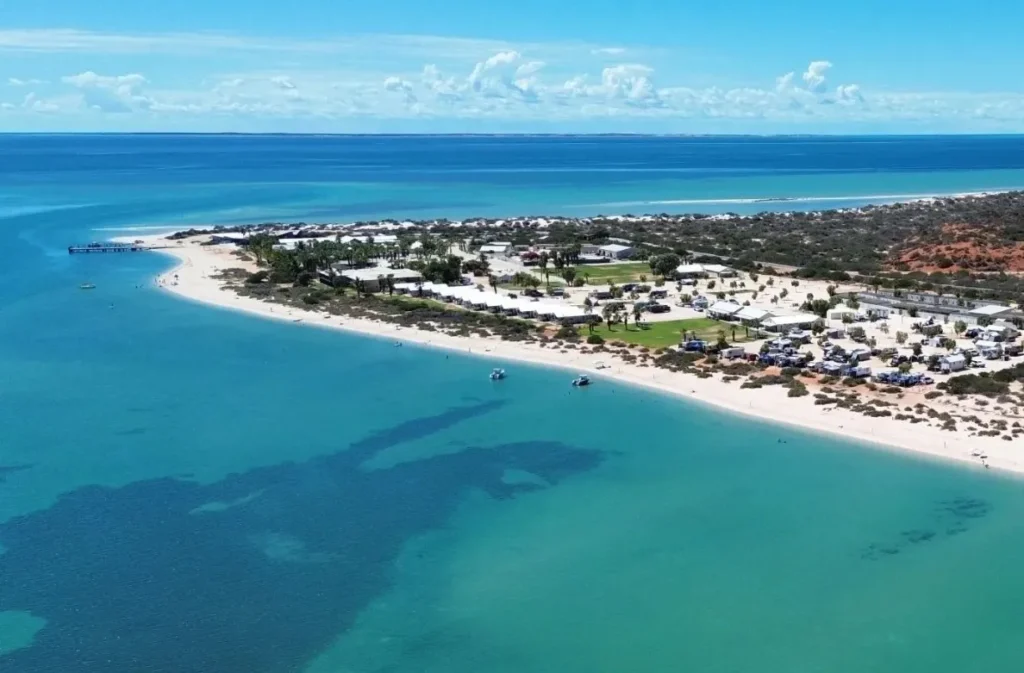
Famous for its wild dolphin sightings, Monkey Mia is surrounded by rust-red dunes, white sand beaches and waters teeming with wildlife.
Dolphins, dugongs, sharks, rays, turtles, and a wide variety of fish can be seen in the water. Encounters with pelicans and emus are likely near the water. Western wrens are often seen near the car park.
While at Monkey Mia, step away from the water to explore the natural and cultural history of the area on the Wulibidi Yaninyin Trail, a 1.5-kilometre circular walk through the dunes and along the beach. This walk is best done when the birds are most active, just after sunrise or dusk. There is an entry fee.
Getting to Monkey Mia
The road to Monkey Mia is fenced and suitable for caravans. It is located on the east coast of the Peron Peninsula, 24 kilometres from Denham. Regular flights from Perth to Shark Bay Airport are a ten-minute drive from Monkey Mia or Denham. Monkey Mia Resort has most of the facilities and services you could need. If you like it here, we recommend the beautiful destination, Monkey Mia Tours.
Pinnacles Desert of Nambung National Park
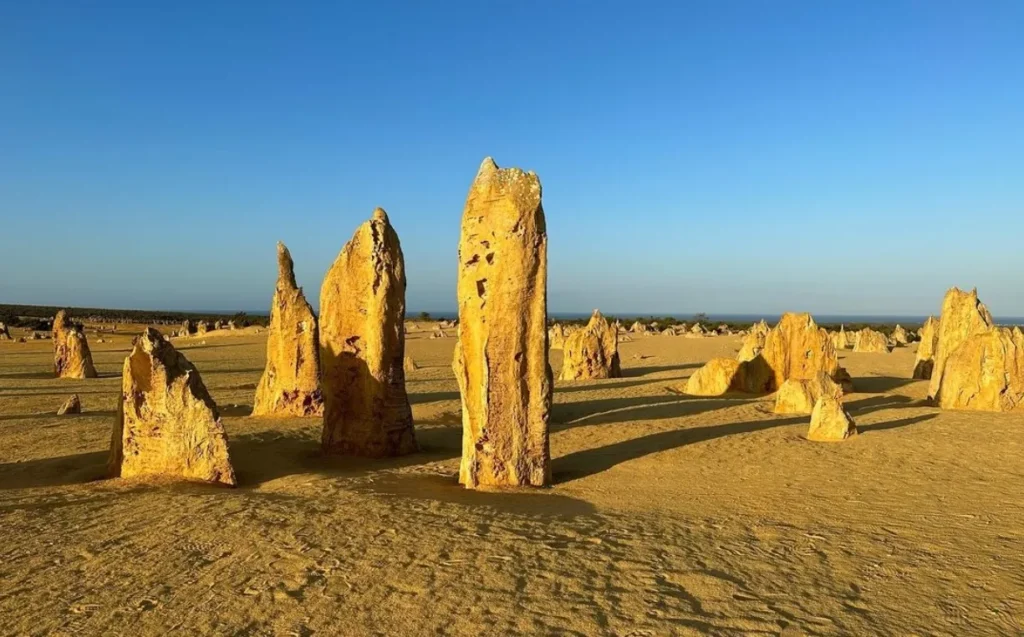
Located at the southern entrance to Australia’s Coral Coast, along the Indian Ocean Highway, the Pinnacles Desert of Nambung National Park is one of the region’s major natural attractions. The park is located around 200 kilometres, or 2 hours north of Perth, and covers an area of 17,487 hectares, providing a natural habitat for many native animals and birds. Join the popular Pinnacles Sunset Stargazing Tour adventure to see this natural wonder.