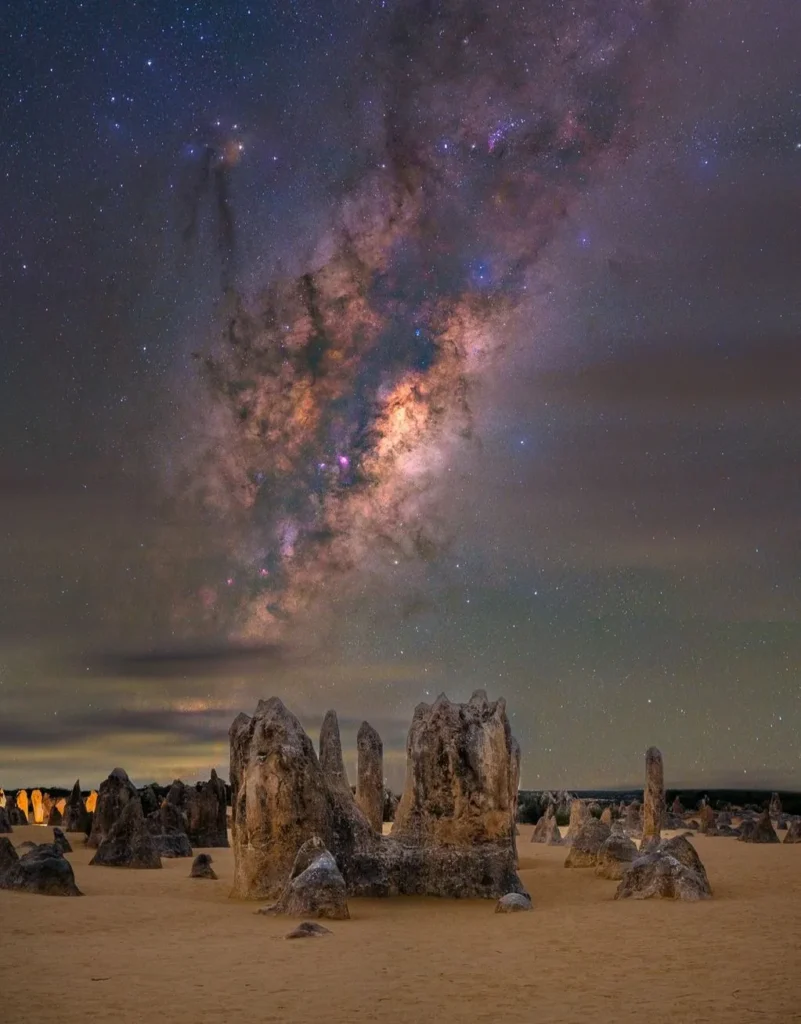
That’s the question most people don’t ask until they’ve already driven up from Perth and realised the Pinnacles Desert is just as alive at night as it is in the harsh WA sun. I’m Paul Beames, and I’ve been guiding people through Australia’s backroads for years, including this lunar landscape in Nambung National Park, Western Australia.
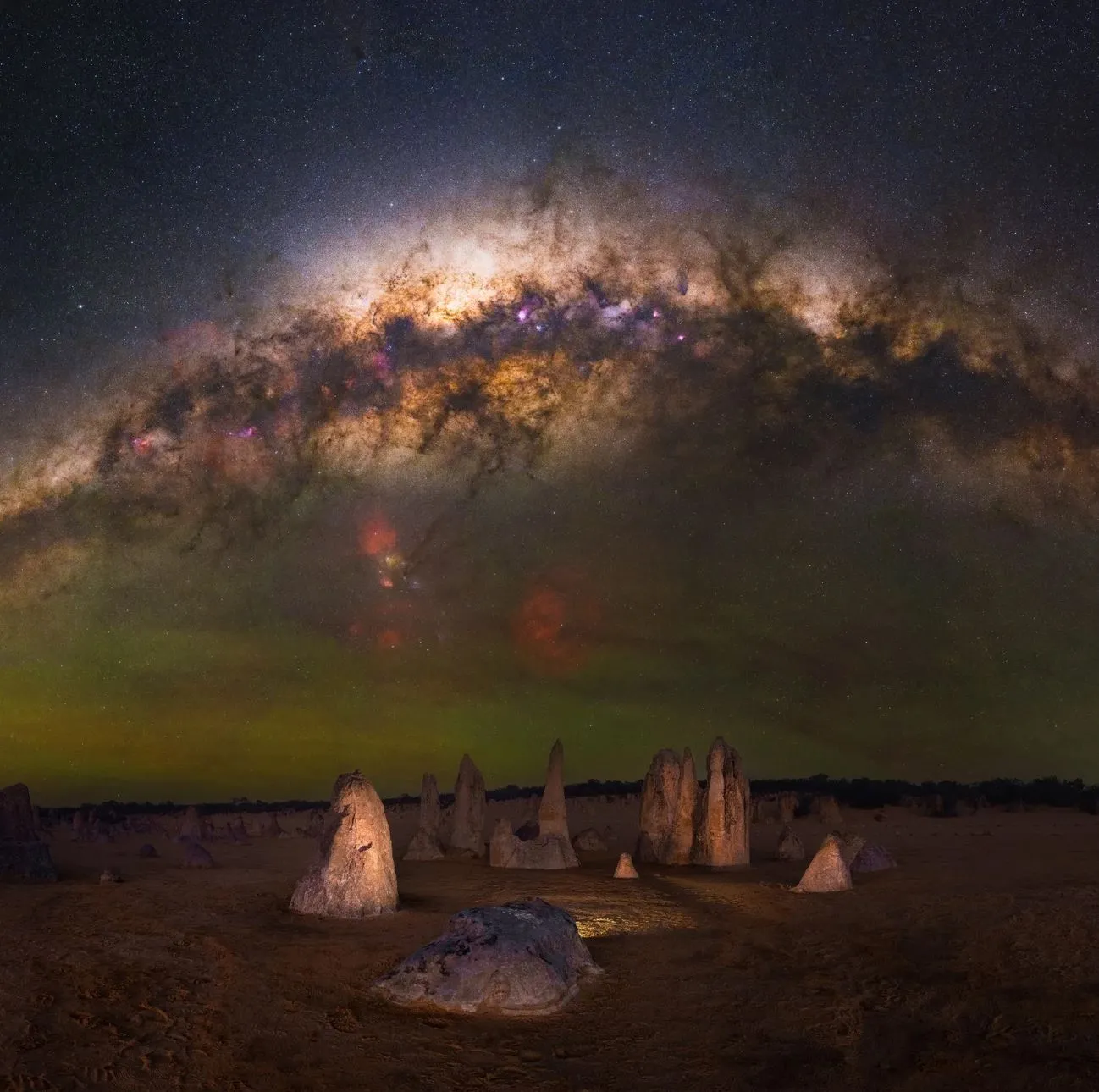
Night in the Pinnacles isn’t just about taking photos of rocks. It’s about standing under one of the clearest night skies in the country, feeling the desert cool down and realising how far you are from the daily grind. Many people now join Pinnacles Tours that combine sunset dinners with stargazing, and it’s a great way to experience the desert at night.
Stargazing in One of WA’s Clearest Skies
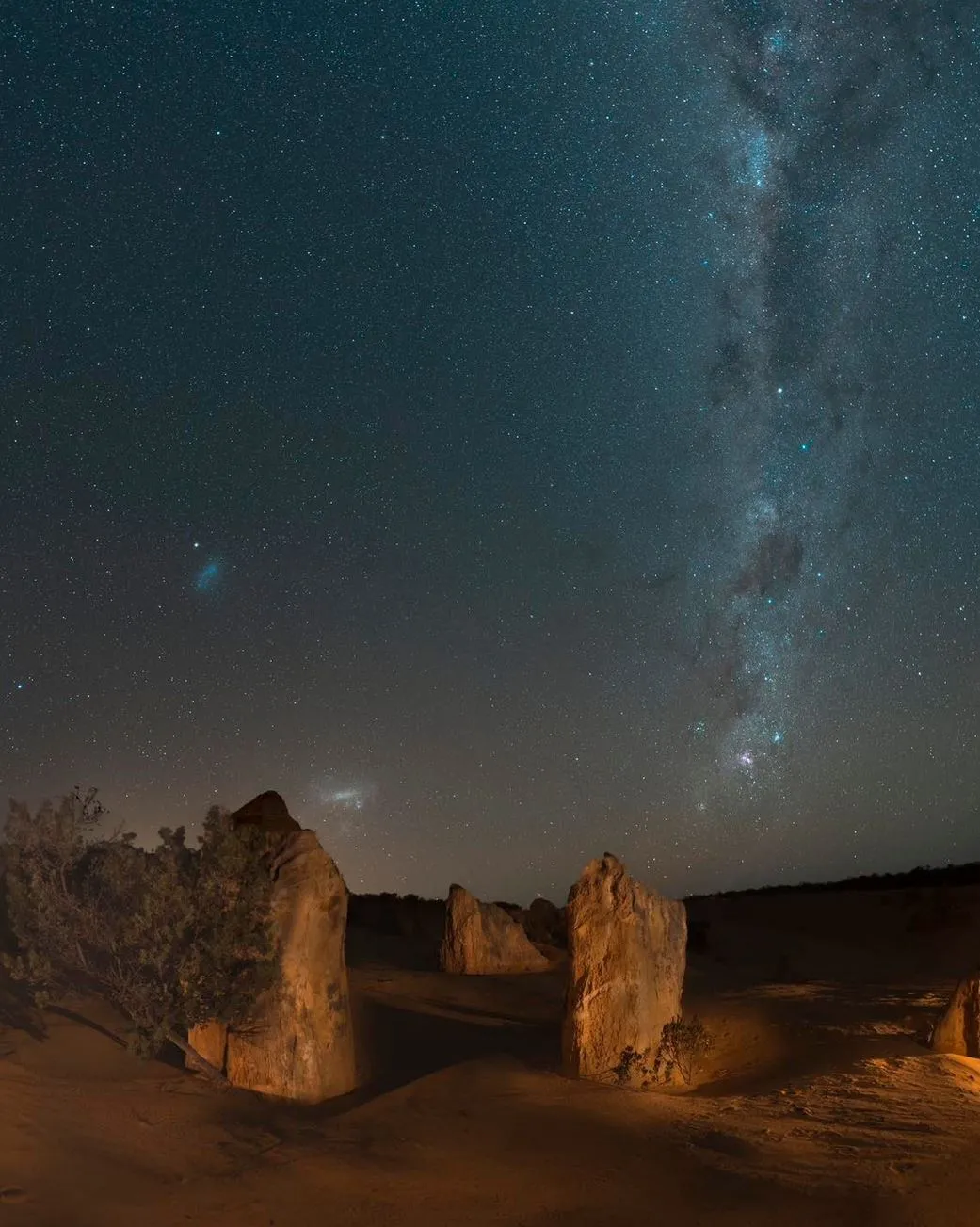
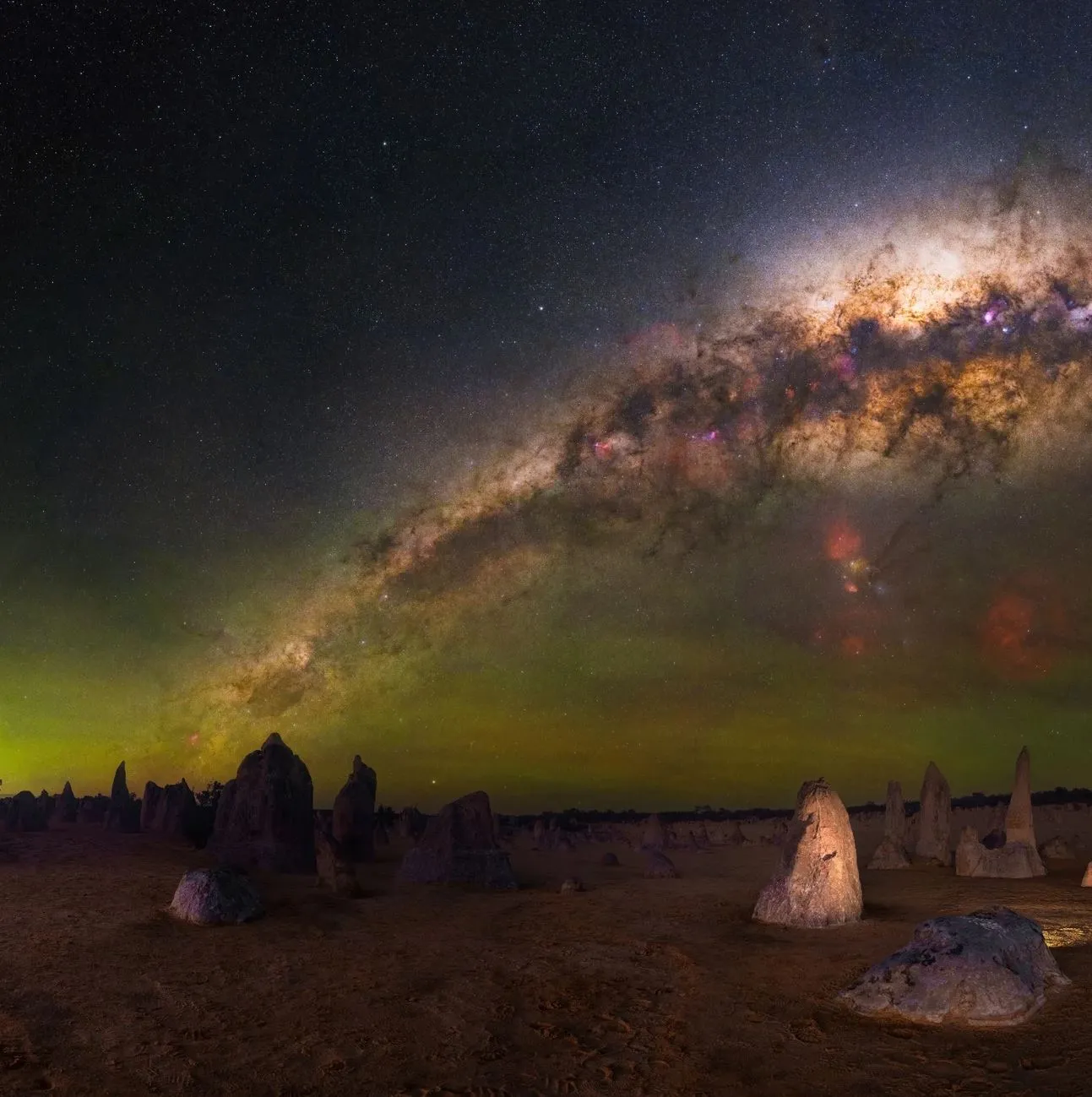
Out here in Western Australia, light pollution is about as rare as a cold beer in the Tanami. The Milky Way stretches across the sky like a highway, and constellations you never see in the city shine bright. Astronomy nuts, photographers and casual gawkers all end up lying on their backs in the sand tracing stars with their fingers.
I’ve met many people who booked evening packages through Pinnacles Tours that included telescopes, hot drinks and expert guides pointing out constellations. It takes the guesswork out of the night sky if you’re not confident reading a star map.
How to Photograph the Pinnacles at Night
Trying to capture limestone spires under starlight is a rite of passage for shutterbugs. The trick isn’t expensive gear — though a tripod helps — but patience and timing. Long exposures bring out the stars, and torchlight painting can highlight the eerie spires of the Pinnacles Desert.
Some operators like Pinnacles Tours even build astrophotography stops into their itineraries so you can set up your camera and get shots without fumbling in the dark.
Wildlife Encounters at Night
Once the sun goes down, the desert clock changes. Kangaroos, wallabies, echidnas and possums start their nightly rounds, and the occasional barn owl flies overhead. It’s quieter than you’d expect — except when a goanna scurries across the sand and makes you jump like a green traveller. Or join a guided night walk with Pinnacles Tours.
Tips for Being Comfortable
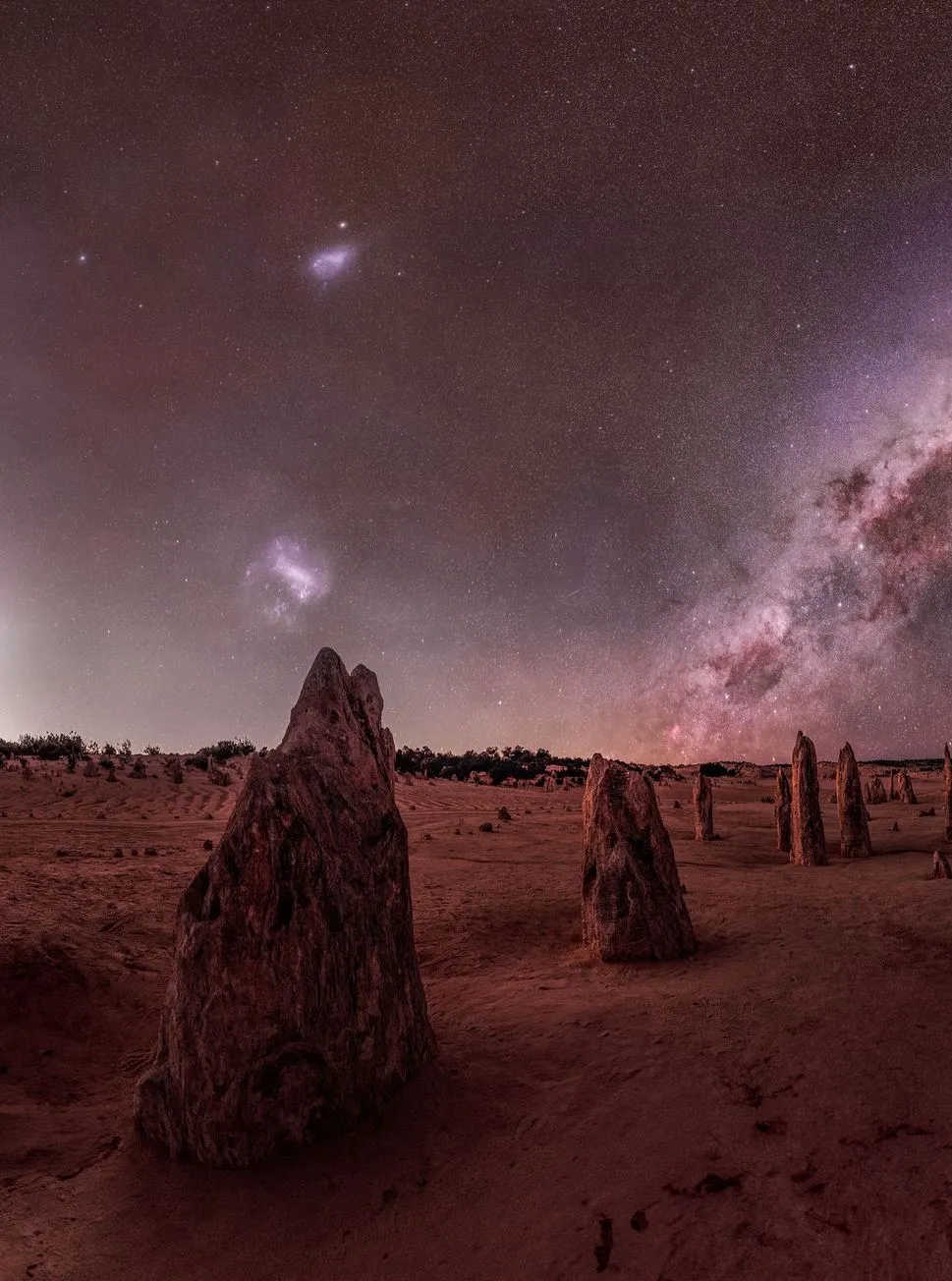
Going into the Pinnacles at night isn’t hard, but be prepared. The desert can go from scorching hot to bloody freezing in a few hours, so layers are your friend.
Here’s a quick checklist I give to travellers:
- Clothing: Day gear, warm jumper for night.
- Lighting: Torch with red filter, headlamp for hands-free.
- Repellent: Mozzie spray and maybe a fly net if you’re sensitive.
- Water: No tap out here — pack more than you think.
- Navigation: Maps offline, as signal is patchy.
And don’t expect facilities beyond the basics. The Pinnacles Hut near the entrance has toilets and basic shelter, but after that you’re on your own. If you’re with a group like Pinnacles Tours, they’ll often factor in comfort breaks before you get into the desert proper.
Cultural and Environmental Awareness
The Pinnacles Desert is in Nambung National Park, and like most of WA, it’s got deep cultural significance. The Traditional Owners, the Yued people, have Dreaming stories tied to this land, and part of travelling well is acknowledging that.
Pinnacles Tours often weave cultural knowledge into their commentary, so you’ll leave with respect for Country as well as great photos.
When to Visit: Seasons and Conditions
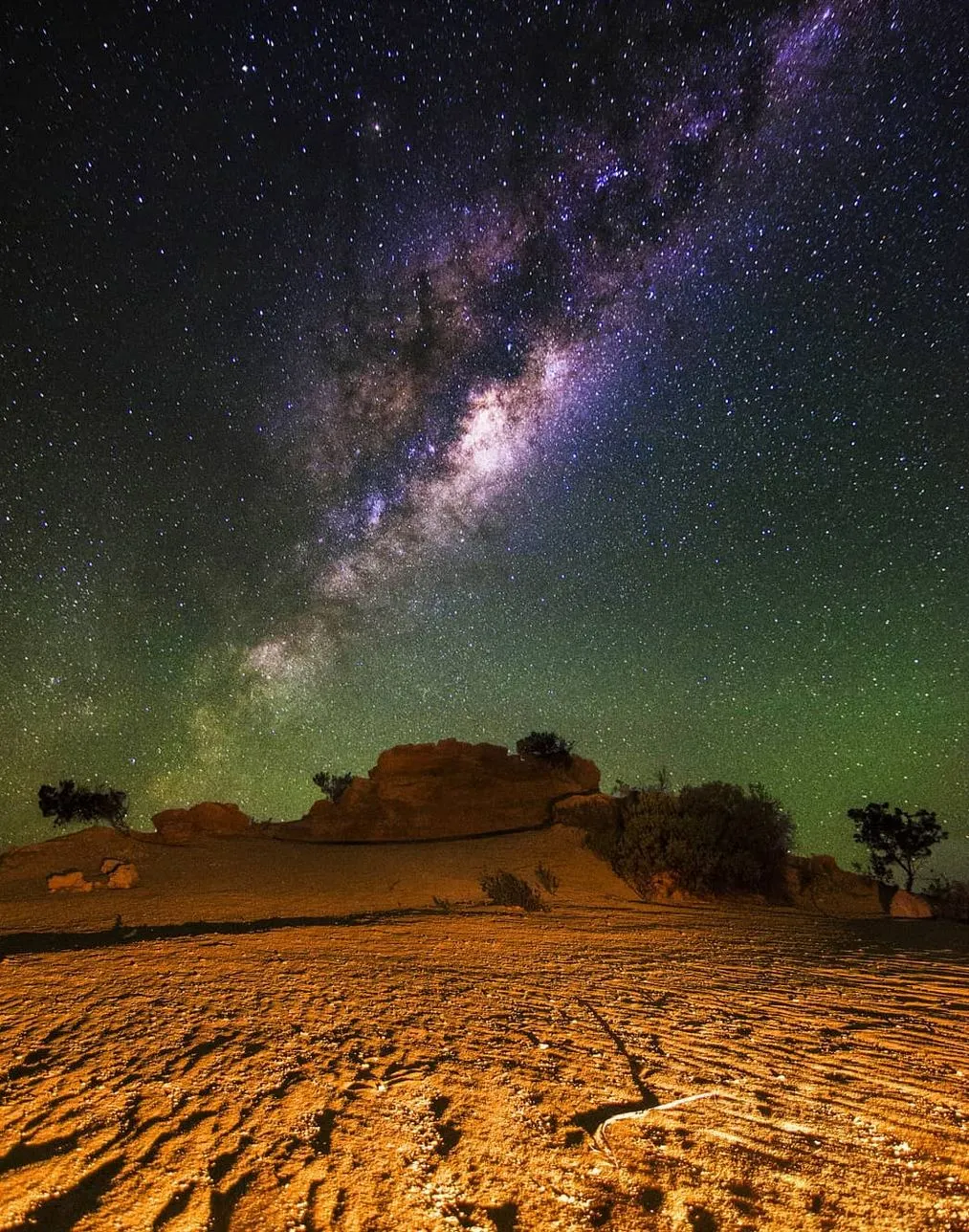
WA’s coast has its quirks. Summer days can get up to 35°C plus, but nights can drop to the teens. Winter nights get cold, but you’ll have clearer skies for stargazing. The shoulder seasons (April–May, September–October) are the sweet spot: not too hot, not too cold.
| Season | Avg Day Temp | Avg Night Temp | Sky Clarity (cloud cover %) | Best For |
|---|---|---|---|---|
| Summer (Dec–Feb) | 30–35°C | 18–22°C | 25% | Warm nights, mozzies are active |
| Autumn (Mar–May) | 22–28°C | 12–16°C | 15% | Balance of comfort & clear skies |
| Winter (Jun–Aug) | 18–22°C | 8–12°C | 10% | Cold nights are, best for stargazing |
| Spring (Sep–Nov) | 24–30°C | 14–18°C | 20% | Mild temps, wildflower season |
Driving and Access After Dark
The Pinnacles Desert is about a 2-hour drive north of Perth, near Cervantes. The access road into Nambung National Park is sealed, but the Pinnacles Drive — the loop through the formations — is limestone gravel. It’s fine for 2WD if you take it slow, but don’t pull off into soft sand unless you want to dig yourself out.
At night, take it steady. Kangaroos and emus don’t care about your headlights, and plenty of people have collected a roo on the bonnet because they pushed the limit. Stick to 60km/h or less and you’ll be fine. Of course, if you’d rather not stress, join a bus with Pinnacles Tours and it’s all taken care of.
Join a Guided Night Tour
If you don’t want to drive back in the dark, consider joining a guided evening tour. Operators from Perth and Cervantes offer packages that include transport, sunset dinner and stargazing with telescopes. Prices range from $90-$160 per person, depending on inclusions.
That’s where Pinnacles Tours shines — they wrap up transport, dinner and astronomy into one easy booking. Travellers I’ve met love not having to juggle navigation, parking and timing, especially when they’re tired from a long day.
Common Traveller Mistakes to Avoid
You don’t need to be an outback legend to visit the Pinnacles at night, but a few rookie errors pop up again and again:
- Underestimating the cold: Desert = temperature swings. Bring a jacket.
- Relying on phone torches: They’ll die fast and wreck your night vision.
- Driving too fast: Wildlife is unpredictable. Slow down.
- Ignoring mozzies: They’ll remind you who’s boss.
- Skipping the fuel stop: Fill up before Cervantes — roadhouses close early.
Lots of people avoid these mistakes by going with Pinnacles Tours, since the guides have done it all a hundred times and keep the group comfortable and safe.
Final Thoughts from the Desert
Standing in the Pinnacles Desert at night is a humbling experience. The limestone towers cast long shadows in the moonlight, the Milky Way stretches across the sky, and the desert reminds you how small you are. I’ve been here dozens of times with travellers huddled in swags or taking long exposure photos, and it never gets old.
If you’re looking for a different side of Western Australia, make space in your itinerary for this stop. Whether you self-drive or go with a group like Pinnacles Tours, the night desert delivers. Pack right, tread lightly and don’t rush the drive home. The Pinnacles at night aren’t just a detour – they’re a story you’ll be telling long after the mozzie bites have faded.
FAQ
Is it safe to visit the Pinnacles at night?
Yes, if you stick to the marked road and paths. Wildlife is the main hazard, so drive slowly and watch your step.
Can I camp overnight in the Pinnacles?
No, camping isn’t allowed inside Nambung National Park. The nearest sites are in Cervantes and Jurien Bay.
Do I need a permit for night entry?
Your national park entry fee ($15 per vehicle as of 2025) covers day and night access. Pay at the entry station near the Pinnacles Hut.
What’s the best time of year for stargazing?
Winter nights (June–August) have the clearest skies, but they’re also the coldest. Spring is a good balance.
Are guided night tours worth it?
If you want cultural insights, telescope use or don’t fancy the night drive back to Perth, then yes, tours like those offered by Pinnacles Tours are a good option.